


Ukraine’s long-range drones reportedly reached one of Russia‘s largest petrochemical plants nearly 930 miles (1,500 km) from the border, and targeted a major oil refinery in southern Russia.
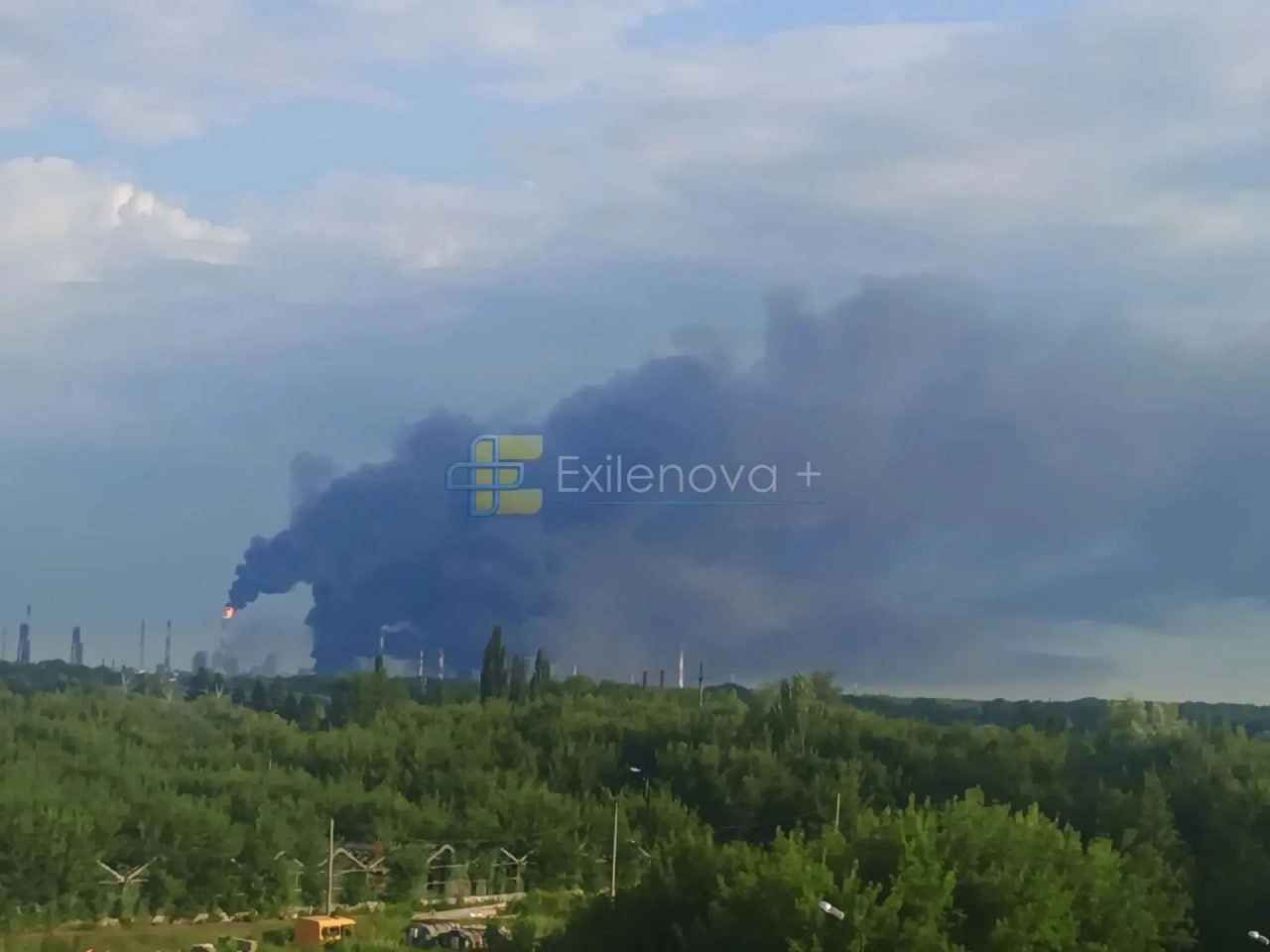
Ukrainian forces struck one of Russia’s largest petrochemical complexes overnight from Monday to Tuesday, with reports of a fire at Gazpromneftekhim Salavat LLC in Russia’s Republic of Bashkortostan.
JOIN US ON TELEGRAM
Follow our coverage of the war on the @Kyivpost_official.
According to Ukrainian monitoring channels, which published videos of the incident, the attack triggered a fire at the facility. Russian independent outlet Astra, citing eyewitness footage showing multiple explosions and a large plume of black smoke, also reported that the plant had been hit.
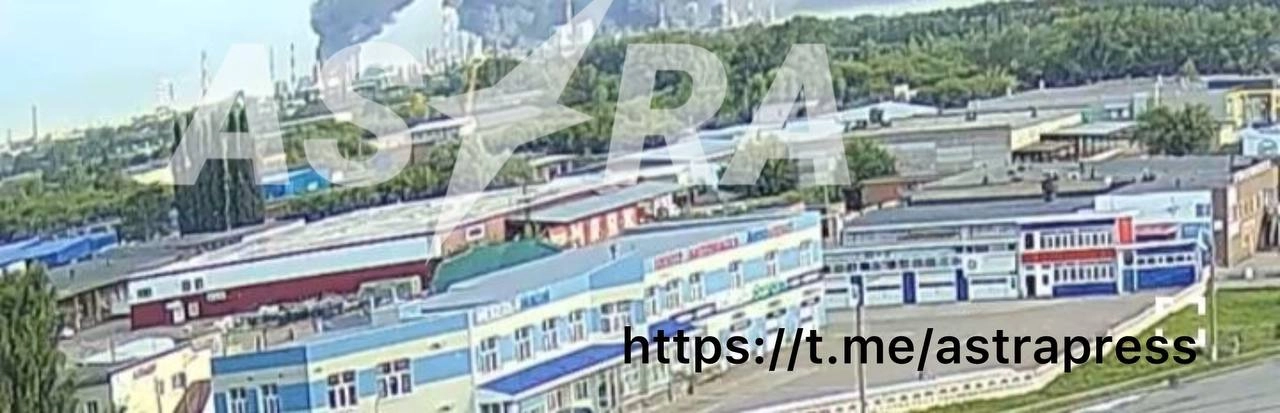
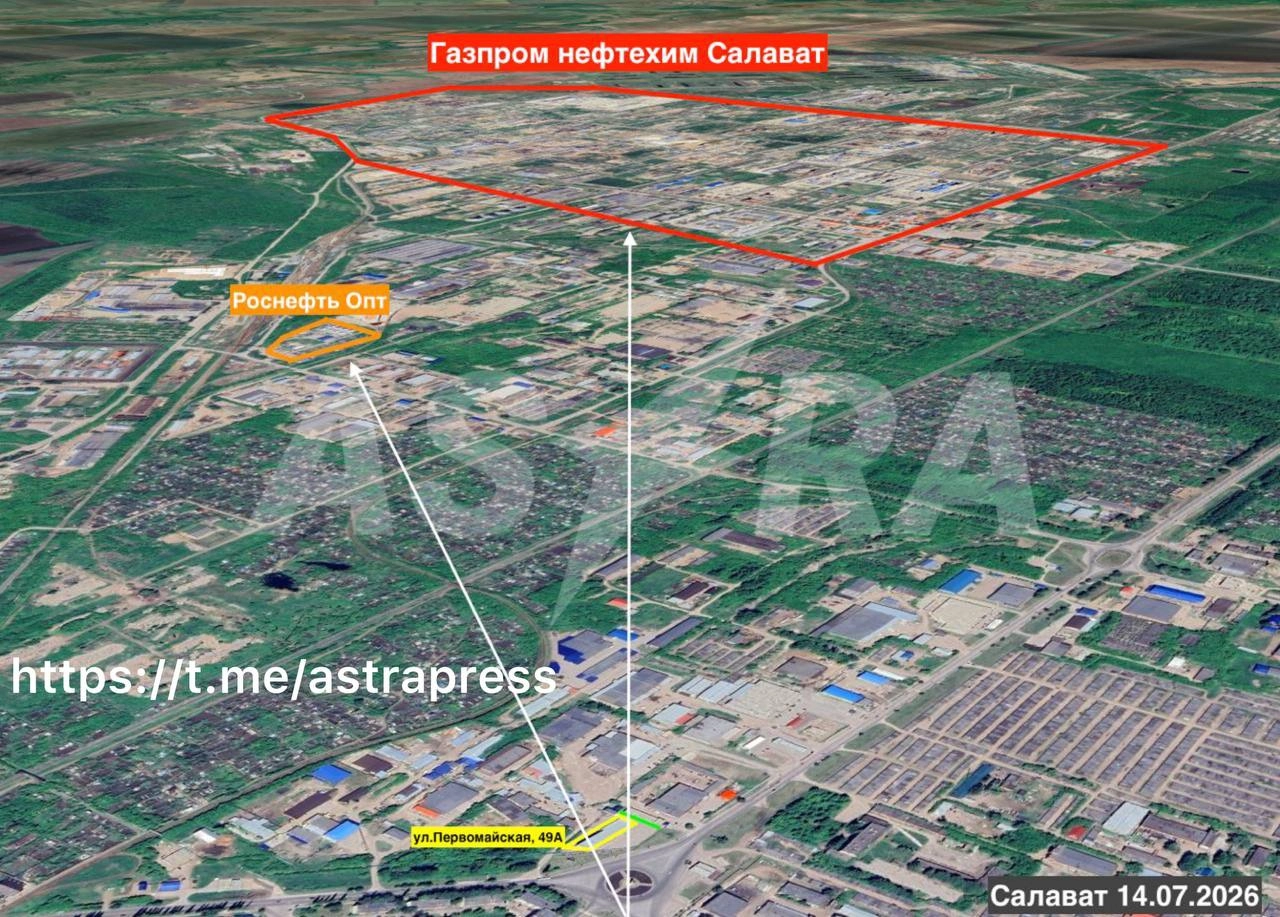
Economic analyst Vyacheslav Shiryaev said the Salavat complex was the last major gasoline producer in Russia that had not been struck by Ukrainian forces in 2026. The facility was previously attacked twice in September 2025.
The Trojan Horse Has Arrived: How Russia Can Disrupt NATO Without Invading
Gazpromneftekhim Salavat produces gasoline, diesel fuel, kerosene, liquefied petroleum gases, butyl alcohols, ammonia, urea, and other petrochemical products.
According to Russian media, the plant processed 7.2 million metric tons of raw materials in 2024 – about 2.7% of Russia’s total refining capacity – producing 1.5 million tons of gasoline and 2.5 million tons of diesel fuel.
Bashkortostan head Radiy Khabirov confirmed a drone raid on the “Salavat industrial zone,” saying the attack had been “repelled” and that several fires were caused by debris from downed drones. However, he did not explicitly confirm that the refinery itself had been struck.
Meanwhile, Ukrainian drones also reportedly targeted the Afipsky Oil Refinery in Russia’s Krasnodar Krai, one of the largest refineries in southern Russia.
The refinery has an annual processing capacity of 6.25 million tons of crude oil and gas condensate supplied from Western Siberia and the Volga-Ural region via pipelines and rail.
It produces gasoline, diesel fuel, vacuum gas oil, fuel oil, sulfur, and other petroleum products used by the Russian military.
Russian regional authorities acknowledged that a fire had broken out at the refinery. Ukrainian Telegram channel Krymsky Veter reported that the first explosions occurred around midnight and described the blaze as “massive.”
According to Astra, the fire erupted near the refinery’s tank farm, which stores products intended for export, including gasoline, diesel fuel, gas condensate distillates, heavy fuel oil residues, and sulfur.
The Afipsky refinery was previously targeted in a Ukrainian drone strike on June 11.
Later, Ukraine’s General Staff confirmed that Ukrainian forces had struck two Russian oil refineries.
“The Gazprom Neftekhim Salavat oil refining complex in the Republic of Bashkortostan was hit. A strike on the facility was confirmed, followed by a fire on the enterprise’s premises. The extent of the damage is being assessed,” the General Staff said.
According to the statement, the facility is one of Russia’s largest oil refining and petrochemical complexes, with a design processing capacity of approximately 10 million tons of crude oil per year.
“The complex produces gasoline, diesel fuel, aviation fuel, lubricants, and other products used to support the economy and military machine of the aggressor state,” the statement said.
The General Staff also reported another successful strike on the Afipsky oil refinery in Russia’s Krasnodar region.
“A fire was recorded at the facility. The extent of the damage and the results of the strike are being clarified,” it said.
In addition, Ukrainian forces reportedly struck a ship transshipment facility near Gelendzhik in Krasnodar Krai, which Russia uses to transfer oil cargoes and support its naval operations and military logistics.
The military said damage assessments are ongoing.
Ukrainian forces also struck a Russian ammunition depot in occupied Donetsk and a logistics hub in occupied Luhansk, according to the General Staff.
Meanwhile, Russia’s Defense Ministry claimed that its air defenses intercepted and destroyed 288 Ukrainian fixed-wing drones between 8 p.m. Moscow time on July 13 and 8 a.m. on July 14.
According to the ministry, the drones were shot down over the Belgorod, Bryansk, Voronezh, Kaluga, Kursk, Lipetsk, Oryol, Rostov, Ryazan, Saratov, and Tula regions, as well as the Moscow region, Krasnodar Krai, the republics of Crimea and Bashkortostan, and over the Azov and Black seas.
You can also highlight the text and press Ctrl + Enter

OPINION: The Bill for Crimea Comes Due for Putin
‘Shadow Fleet Is Leaving the Chat’: Ukraine Hits 10 Russian Fuel Tankers in One Day