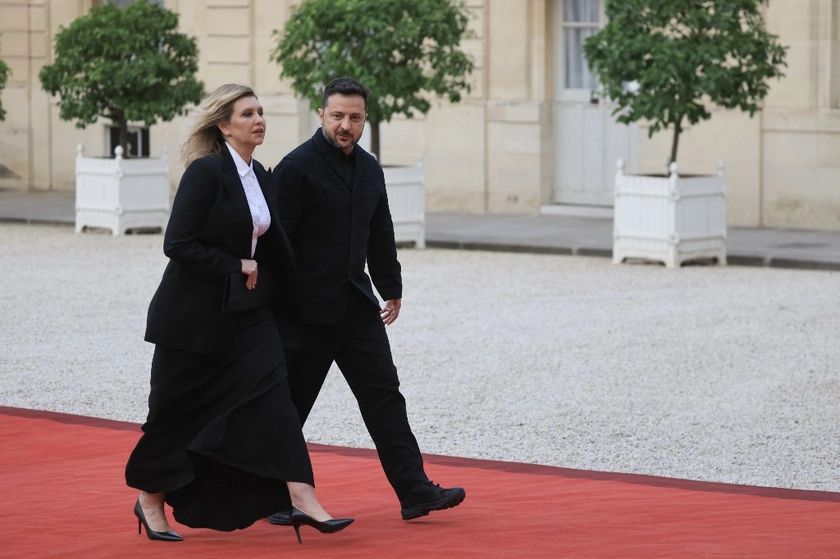



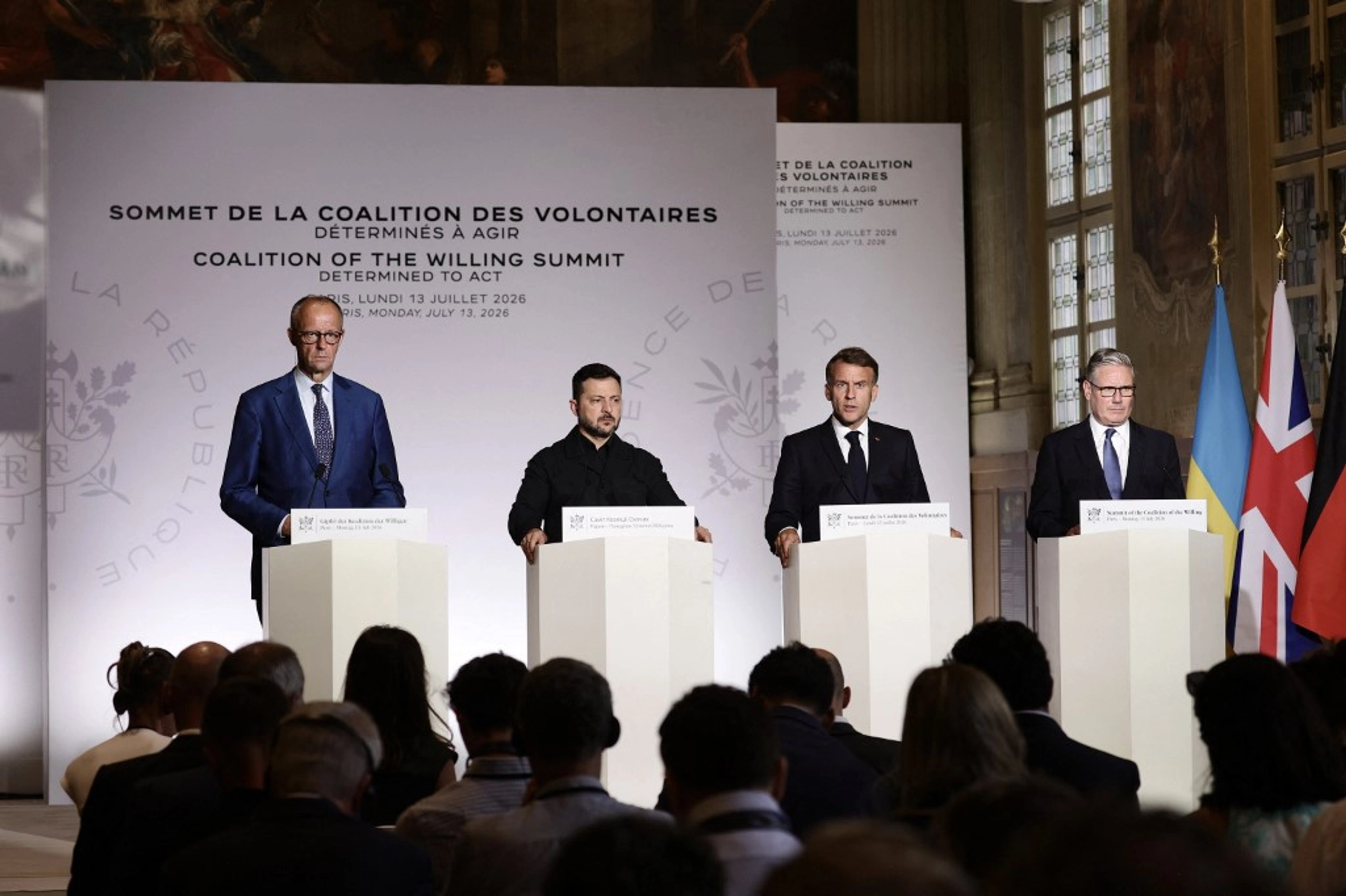
President Volodymyr Zelensky and European allies launched the FREYJA Anti-Ballistic Missile Program on Monday, setting a 12-month goal to develop an affordable, mass-produced system capable of protecting Ukraine and the wider continent.
The initiative was unveiled alongside the inaugural meeting of the Integrated Anti-Ballistic Missile Coalition, bringing Ukraine together with Denmark, France, Germany, Italy, the Netherlands, Norway, Spain, Sweden and the United Kingdom.
JOIN US ON TELEGRAM
Follow our coverage of the war on the @Kyivpost_official.
The program represents an effort to transform Ukraine from a recipient of Western air-defense equipment into a co-developer of a new European anti-ballistic capability.
According to the Ukrainian president, each participating country possesses important elements of the future system, while Ukraine has missiles under development that remain only individual components. Combining those technologies with European radars, financing and industrial capacity could produce a complete FREYJA system within the next year.
Russia’s “final bet”
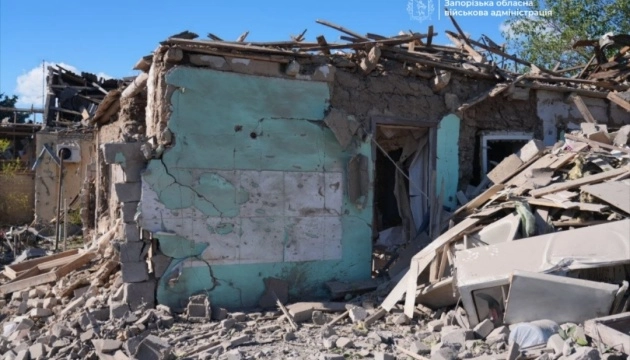
Zelensky framed the initiative as an urgent response to Russia’s increasing reliance on ballistic missile attacks after failing to break Ukraine on the battlefield.
“Ballistic missile strikes have become Russia’s final bet,” the Ukrainian leader said, describing them as Vladimir Putin’s remaining means of prolonging the war.
Ukraine’s battlefield positions are now stronger than during any previous year of the full-scale invasion, leaving Moscow increasingly dependent on long-range attacks against cities, infrastructure and civilians.
Closing Ukraine’s Skies Means Closing Europe’s: Why the Anti-Ballistic Coalition Matters Now
Ballistic weapons are particularly difficult to intercept when launched alongside large waves of drones – a combination Ukraine has confronted for years and one that has also caused extensive damage in the Middle East and Gulf region.
The Ukrainian president stressed that the country requires new interceptors almost every day as Russian forces continue complex attacks designed to strain air defenses.
Ukraine faces interceptor shortages
The reality, Zelensky acknowledged, is that Ukrainian forces sometimes lack the missiles required to stop incoming ballistic threats.
American production is increasing, but Washington must also replenish allied stockpiles, protect US forces and bases from Iranian attacks and respond to Russia’s continuing war against Ukraine.
Kyiv Post reported that air defense dominated the wider Paris summit as Ukraine’s Western partners sought to increase military assistance amid intensified Russian ballistic strikes. Washington has authorized Ukraine to manufacture US-designed Patriot systems, although actual production is expected to take time.
FREYJA is intended to address that structural shortage by bringing together governments, political leaders and defense manufacturers to coordinate research, production and financing at scale.
European defense companies join FREYJA
The inaugural meeting included Ukrainian and European defense companies involved in missiles, sensors, radars and other critical components.
Participants included Fire Point, Thales, Diehl Defence, Saab, Kongsberg Defence & Aerospace, Weibel, Leonardo, Sener, MBDA, Eurosam, Safran and Destinus.
The long-term objective is to produce an affordable system capable of filling Europe’s anti-ballistic defense gap while eventually supplying other countries facing similar missile threats.
Such a system would also give Europe greater independence at a time when existing Patriot batteries and interceptor stockpiles are limited and subject to competing global demands.
Zelensky characterized the launch as a historic opportunity for Europe to develop its own anti-ballistic capability rather than remaining almost entirely dependent on scarce American systems.
Immediate aid remains essential
The longer-term FREYJA project will not replace Ukraine’s immediate requirement for functioning systems and interceptor missiles.
France expressed readiness to provide additional air-defense equipment and missiles this year, while Britain and Germany prepared new bilateral defense packages.
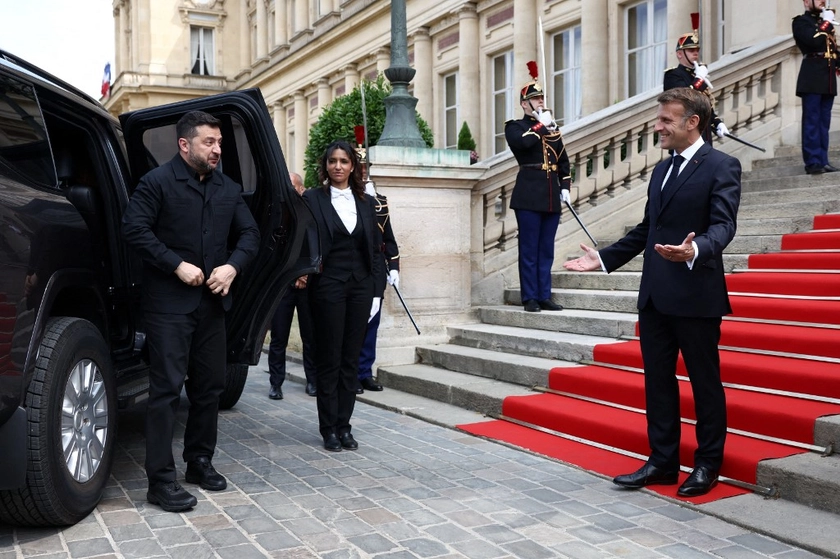
Paris will also grant Ukraine licenses to manufacture ASTER missiles for SAMP/T systems and SCALP cruise missiles. French President Emmanuel Macron welcomed Washington’s decision to authorize Ukrainian production of Patriot interceptor missiles.
These arrangements are intended to expand Ukraine’s domestic production capacity while reducing its vulnerability to political delays and depleted foreign arsenals.
Coalition plans military exercises
The FREYJA announcement formed part of a broader meeting of the Coalition of the Willing, which the Ukrainian presidency reported included 40 participants. Moldova and North Macedonia joined the format, while the next gathering is expected to take place in Ukraine.
The coalition is also preparing to announce the first joint exercises of the Multinational Force for Ukraine – a step toward possible deployment after the fighting ends. The group, created by France and the UK, has met more than 15 times since its formation.
The planned exercises underline the summit’s broader goal: moving beyond repeated declarations of support toward practical military coordination, long-term security guarantees and preparations for an eventual ceasefire.
The US is not a formal member of the coalition, although Washington has indicated that it could assist in monitoring any future agreement.
Sanctions and winter preparations
European leaders also discussed additional economic pressure on Moscow, with the EU’s 21st sanctions package expected to target Russia’s ability to adapt and continue financing the war.
A central focus will be Russia’s shadow fleet, which allows Moscow to transport oil and evade existing restrictions. France has carried out five operations against such vessels since the beginning of the year, according to Macron.
Preparing Ukraine’s energy system for winter was another priority.
Coalition participants agreed on the need to strengthen energy infrastructure and coordinate financial and technical support before Russia renews large-scale attacks on power generation, heating and electricity networks. Germany pledged assistance with those preparations.
Macron also invited Ukrainian service members to participate in France’s Bastille Day military parade on Tuesday – a gesture Zelensky described as recognition of Ukraine’s Armed Forces and their role in defending Europe.
The launch of FREYJA places that role at the center of a new defense strategy: Ukraine contributing battlefield experience and emerging technologies, while European partners provide industrial scale, financing and advanced components.
The result, if developed on schedule, could become Europe’s first affordable anti-ballistic system built through direct cooperation with the country that has confronted Russian missile warfare more intensely than any other.
You can also highlight the text and press Ctrl + Enter

OPINION: The Bill for Crimea Comes Due for Putin