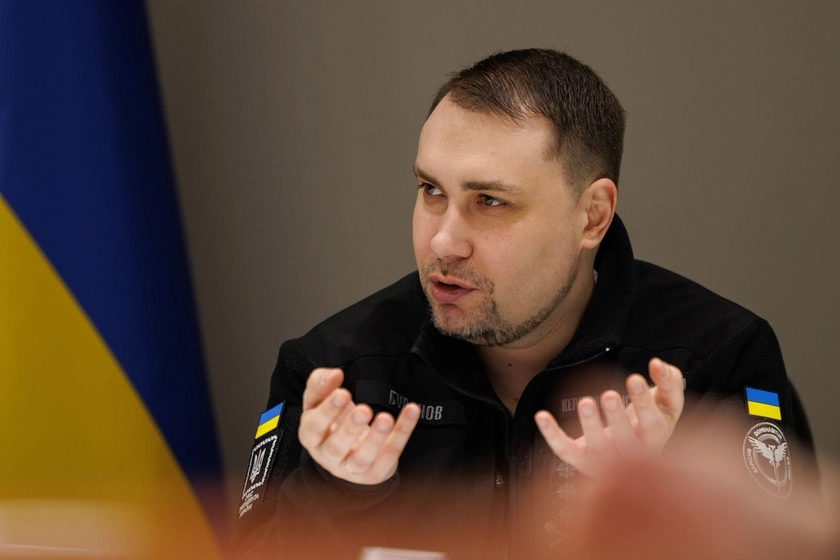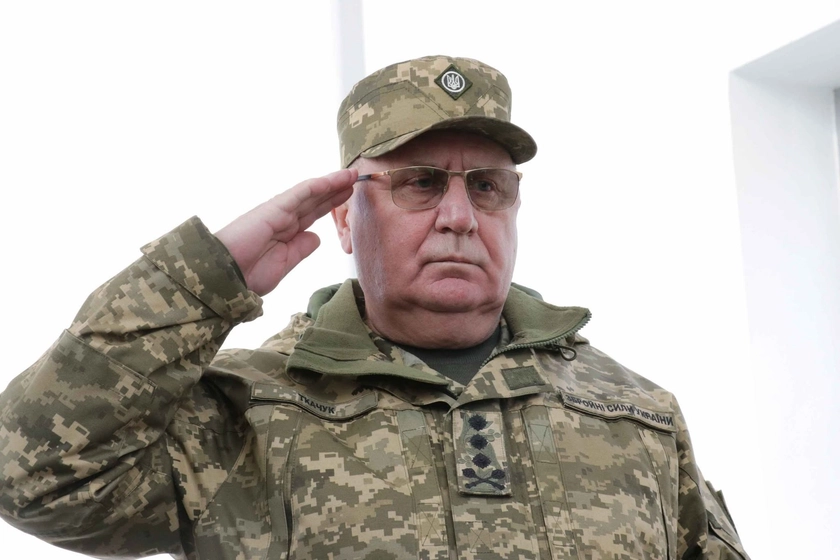



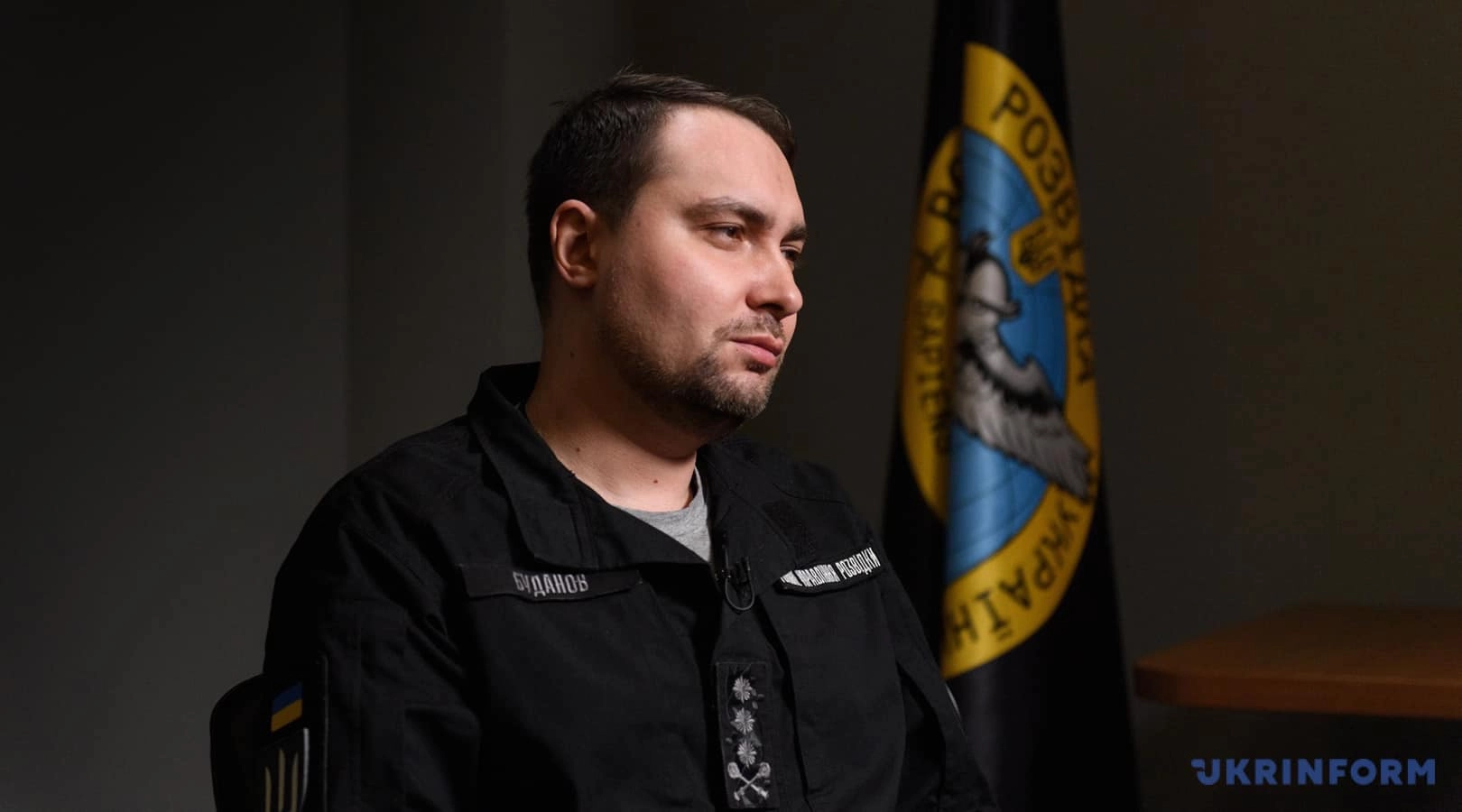
It is possible for the active phase of Russia’s war in Ukraine to end in 2026, though another period of escalation is likely to precede the calm, according to Kyrylo Budanov, the head of Ukraine’s Presidential Office.
“There is still a chance, and negotiations were progressing well in the spring. Now we have all entered a phase of escalation,” Budanov told RBC-Ukraine in an interview published on Tuesday.
JOIN US ON TELEGRAM
Follow our coverage of the war on the @Kyivpost_official.
“To move toward de-escalation, escalation usually has to reach its peak,” he added.
Budanov, who previously served as the chief of Ukraine’s Military Intelligence (HUR), said that negotiations could continue if both sides remain interested.
Budanov previously said in June that ending the “hot phase” of the war before winter was also a task set by President Volodymyr Zelensky.
However, the head of the Presidential Office dismissed any possibility of Ukraine making territorial compromises to end the war and rejected suggestions that political or constitutional concessions could satisfy Moscow.
“Do you really think that making Russian a second state language would make them return Crimea?” he asked rhetorically.
According to him, any settlement will ultimately depend on both military and diplomatic efforts.
“The battlefield can never be separated from negotiations,” Budanov said.
When asked about US President Donald Trump, Budanov said continued battlefield success is essential to maintaining US support.
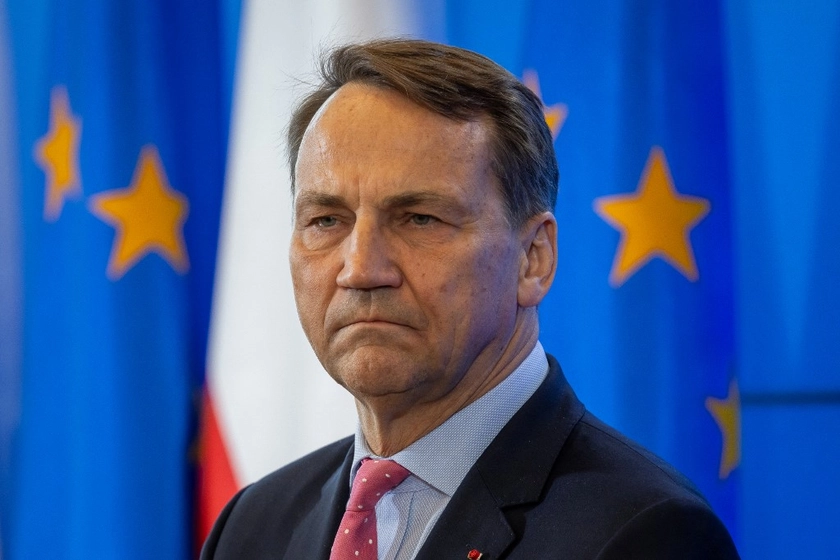
‘They are Up to No Good’: Sikorski Warns Russia Could Stage NATO ‘Provocation’
“Everyone likes winners. Nobody respects those who lose,” he said, arguing that demonstrating real military achievements is the best way to secure continued backing from Washington and other allies.
Growing campaign against Russian logistics
Budanov said Ukraine’s growing campaign against Russian targets in occupied Crimea is primarily aimed at disrupting Moscow’s military logistics.
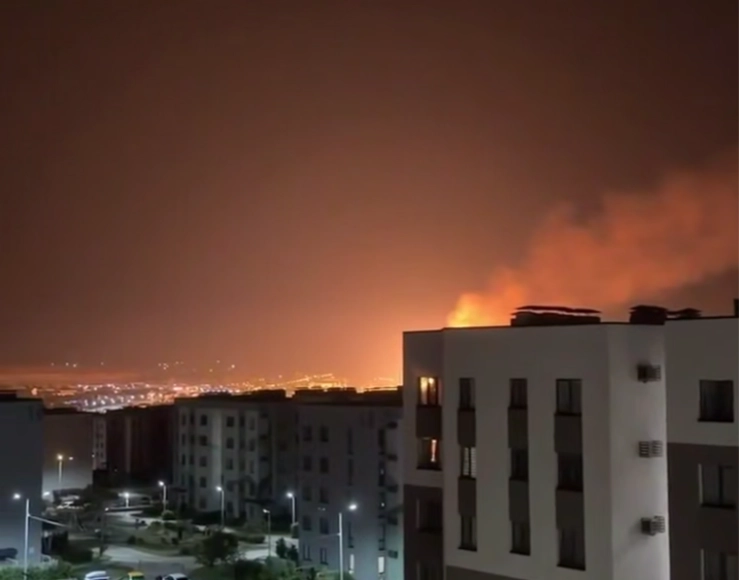
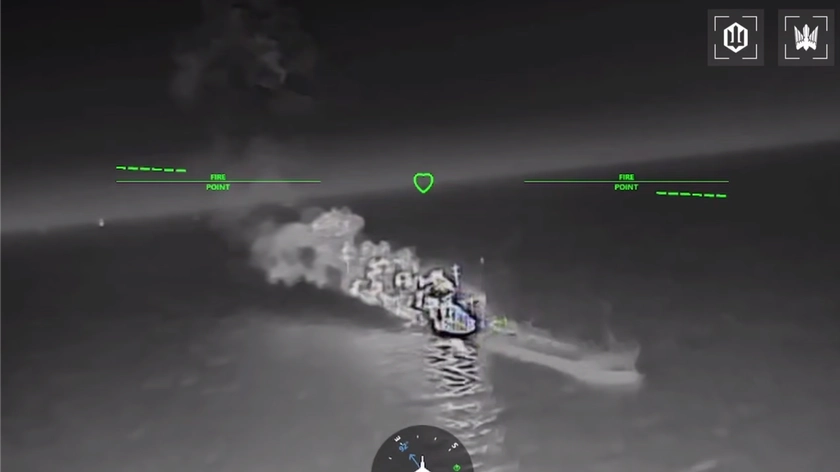
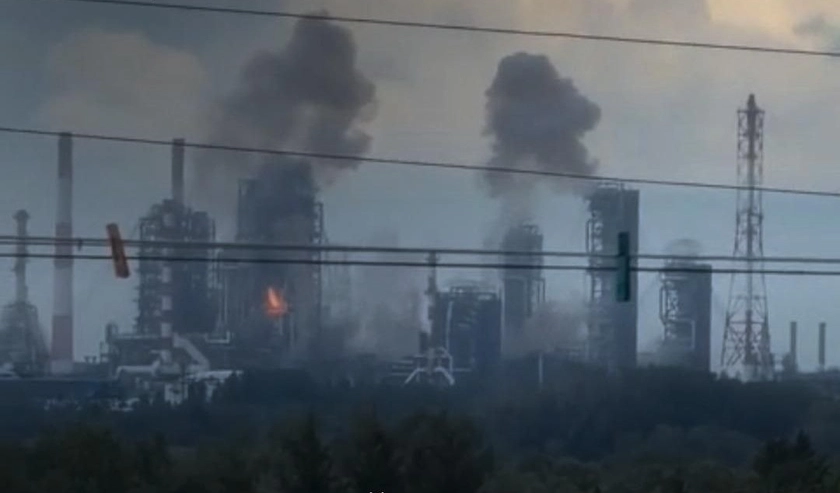
On Monday, Ukrainian kamikaze drones caused a total blackout across the peninsula in Kyiv’s largest single-night power grid attack, hitting substations, military bases, and ports.
Partial blackouts struck Kherson, Zaporizhzhia, and Donetsk regions, while deep strikes also hit Russian oil sites.
“Right now, our main goal is to cut off Russia’s southern logistics,” Budanov said, noting that Russian forces in southern Ukraine rely heavily on supply routes through Crimea.
Addressing Ukrainian residents on the peninsula, he acknowledged that strikes have caused shortages of fuel, electricity, and water but said the disruption serves a larger objective.
“All these hardships serve a greater purpose – bringing Crimea back home,” he said.
Budanov attributed the growing intensity of Ukrainian strikes to increased domestic weapons production.
“Don’t talk to Ukraine with ultimatums”
Budanov also commented on growing tensions with Poland ahead of the July 11 anniversary of the Volhynia Massacres.
He said he expected further “escalatory steps” from Warsaw but added that Kyiv would not respond to outside pressure.
“Ukraine will not accept ultimatums from anyone in the world,” he said.
“The last country that tried to issue us an ultimatum was the Russian Federation. Don’t talk to Ukraine with ultimatums,” Budanov added.
The current dispute with Poland began when Zelensky named a military unit after a WWII-era nationalist formation in May. The group was viewed by Poles as responsible for the murders of Poles in Western Ukraine but viewed by Ukraine as a symbol of independence struggles.
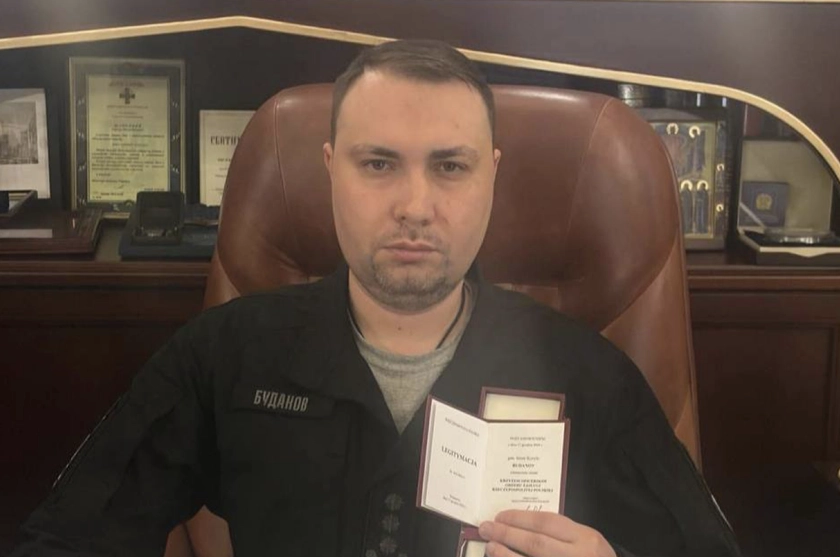
Polish President Karol Nawrocki revoked Zelensky’s state honor in response, with former Ukrainian presidents and top officials – including Budanov – returning their Polish state honors in protest.
Zelensky suggested Nawrocki’s revocation of his state award was tied to domestic politics.
“They have an election in 2027. We have no business here, this is their internal matter,” he said.
Belarus and Russia
On the topic of Belarus, Budanov said he currently sees no indication that Minsk intends to join the war directly.
“A war against Ukraine would end in disaster for Belarus,” he said.
Zelensky said in May that Ukrainian intelligence has evidence that Russia attempted to drag Minsk into the war. Around the same time, Belarusian leader Alexander Lukashenko voiced readiness for war but later walked back his rhetoric, telling military graduates on Monday that Minsk would not join the war.
However, Budanov added that Russia is still capable of launching another wave of mobilization if necessary.
“Technically, nothing prevents Russia from carrying out another mobilization.”
According to him, Russian military planning documents envision readiness for possible operations beyond Ukraine by early 2027, although he stressed that readiness does not necessarily mean such a decision has been made.
Andrei Gurulev, a Russian lawmaker and former member of the Defense and Security Committee, predicted in June a wave of mobilization in Russia during the autumn amid Moscow’s faltering battlefield performance.
You can also highlight the text and press Ctrl + Enter