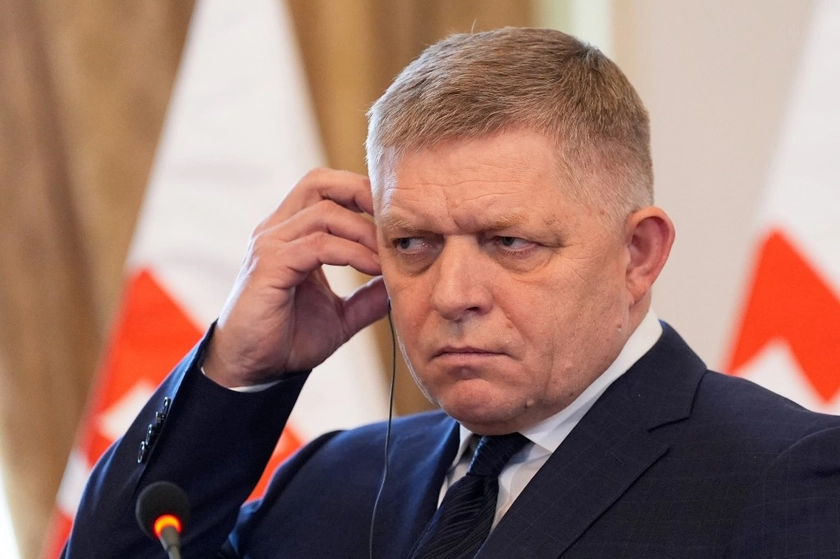



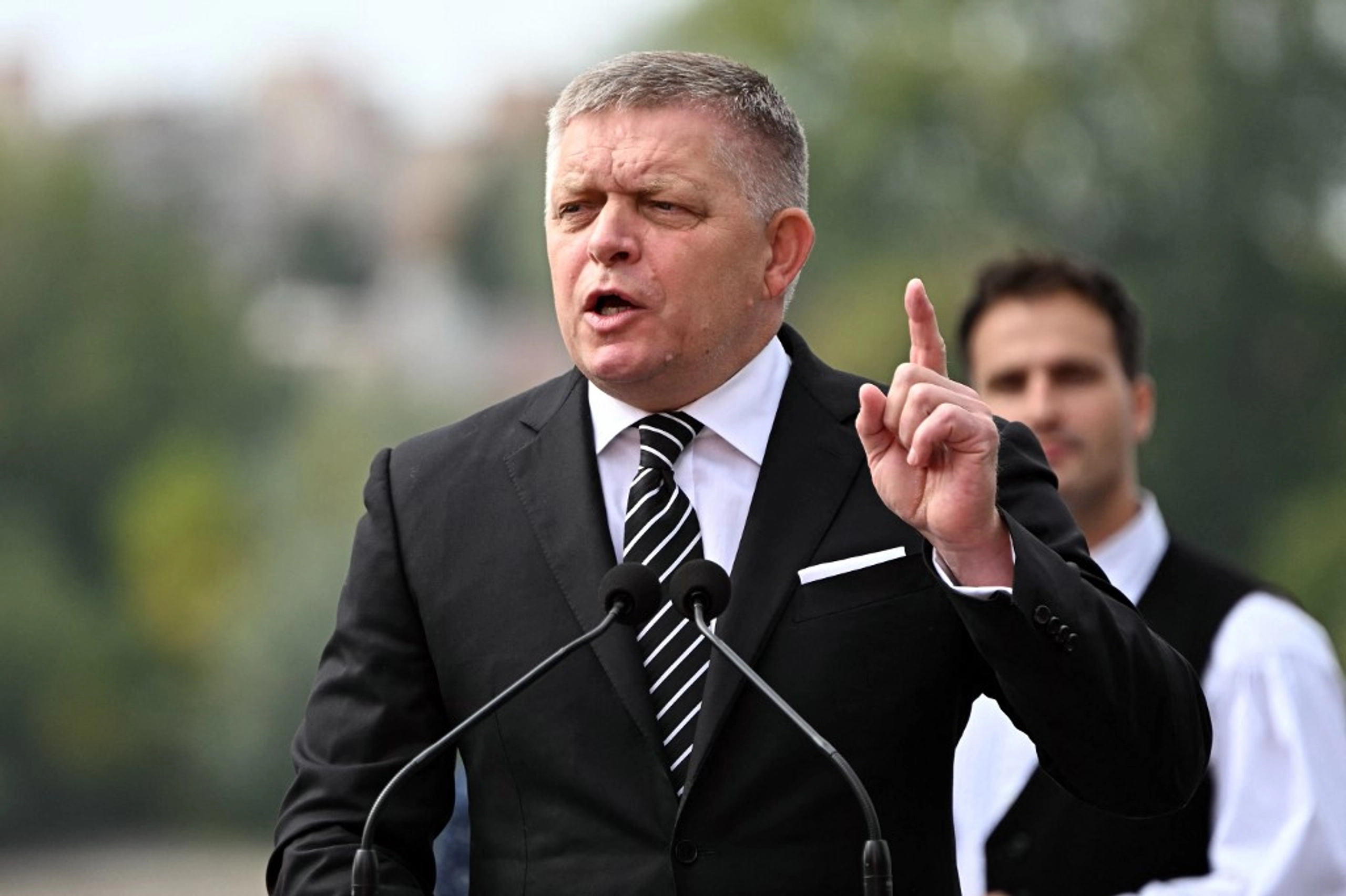
Slovak Prime Minister Robert Fico has publicly rejected a NATO initiative aimed at allocating billions of dollars for new weapon manufacturing contracts to sustain military support for Ukraine, Aktuality reported.
Fico opposes NATO arms funding for Ukraine
Speaking on Saturday, June 27, Fico heavily criticized the proposed “massive” multi-billion dollar assistance package, which is expected to be a central topic at the upcoming NATO summit in Ankara, Turkey, scheduled for July 7-8.
JOIN US ON TELEGRAM
Follow our coverage of the war on the @Kyivpost_official.
According to the Slovak news outlet Aktuality, Fico announced his intention to hold consultations next week with Slovakia’s highest constitutional officials, including Defense Minister Robert Kaliňák. The Slovak prime minister stated that his goal is to ensure the Slovak delegation travels to the Ankara summit strictly without a mandate to approve or participate in any decisions regarding further military loans or financial contributions to Ukraine.
While Fico acknowledged that his government cannot dictate the actions of other NATO member states that choose to support Kyiv, he firmly distanced Bratislava from the initiative, citing the risk of severe escalation.
“You know what could happen? A drone will fly here, intentionally or unintentionally, it will fall on an apartment building, there will be dead or wounded, and we could have World War III,” Fico warned during his remarks. “Therefore, I say on behalf of Slovakia: no support for the war, Slovakia will not pay for Ukraine’s military expenses.”
Russia Warns Citizens Against Travel to Moldova
Broader resistance to Ukrainian integration
Fico’s opposition to the NATO funding plan aligns with his broader resistance to initiatives designed to integrate Ukraine into Western institutions.
Earlier in May, Fico similarly rejected a proposal put forward by German Chancellor Friedrich Merz, which suggested granting Ukraine an “associate” EU membership status while its full accession process continues.
Merz had circulated a letter to EU leadership proposing a political solution that would allow Ukraine to participate in EU summits, appoint representatives to European institutions, and gain partial access to the EU budget without formal voting rights. Merz argued this would bring Kyiv substantially closer to the bloc’s core institutions immediately, given the lengthy and complex nature of the full ratification process.
Fico, however, dismissed the proposal, arguing that there is currently “no political atmosphere” within the European Union for such interim arrangements.
“Either we accept someone, or we don’t,” Fico stated in May, emphasizing that other candidate countries in the Balkans, such as Montenegro, Albania, and Serbia, also have rights that must be considered equally.
Kyiv has also expressed reservations about Merz’s proposal, fearing that temporary or “halfway” solutions could ultimately slow or complicate its path toward full EU membership – a goal Ukraine views as critical for its long-term recovery and security amid the ongoing war.
You can also highlight the text and press Ctrl + Enter
Ukrainian Storm Shadow Hit Iskander-Linked Electronics Plant, Say Russian Sources