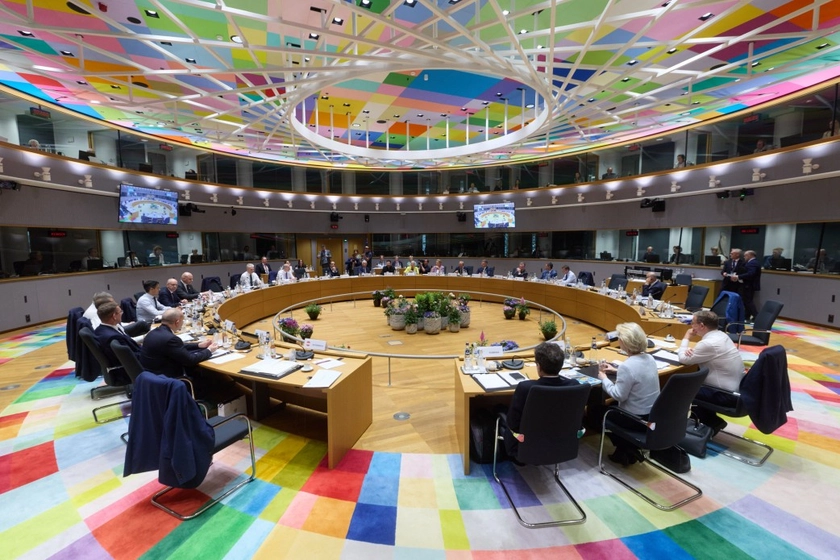


The first day of the EU summit was meant to be about China and a celebration of Ukraine’s membership bid.
But a dinner where leaders were expected to hash out a long-awaited strategy for dealing with rising Chinese dominance in the global economy was waylaid until nearly 11 pm by bickering about Russia’s war in Ukraine.
JOIN US ON TELEGRAM
Follow our coverage of the war on the @Kyivpost_official.
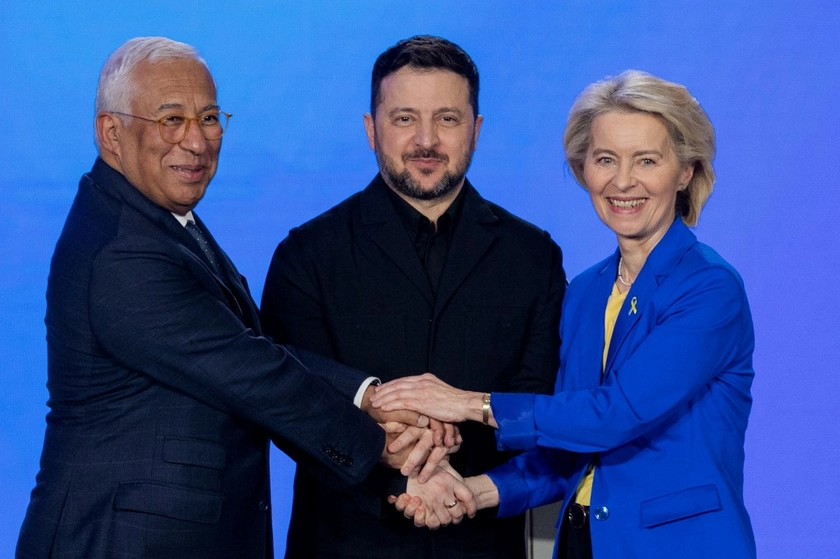
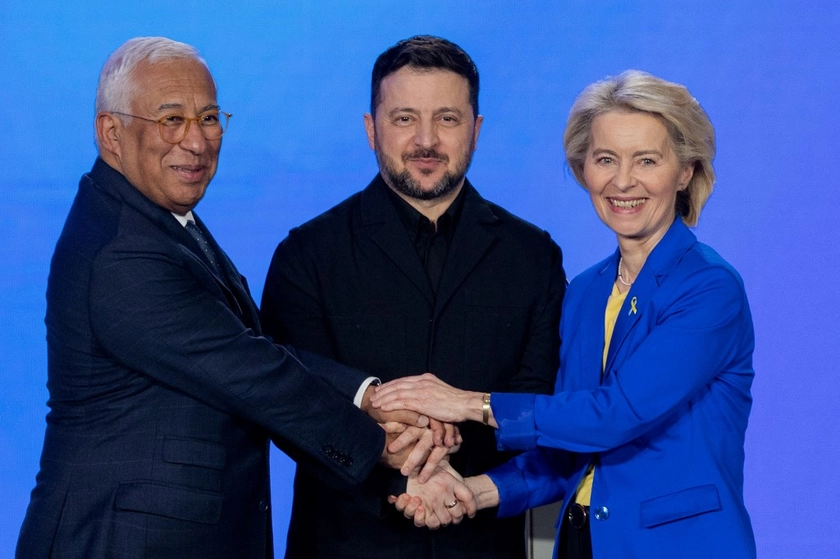
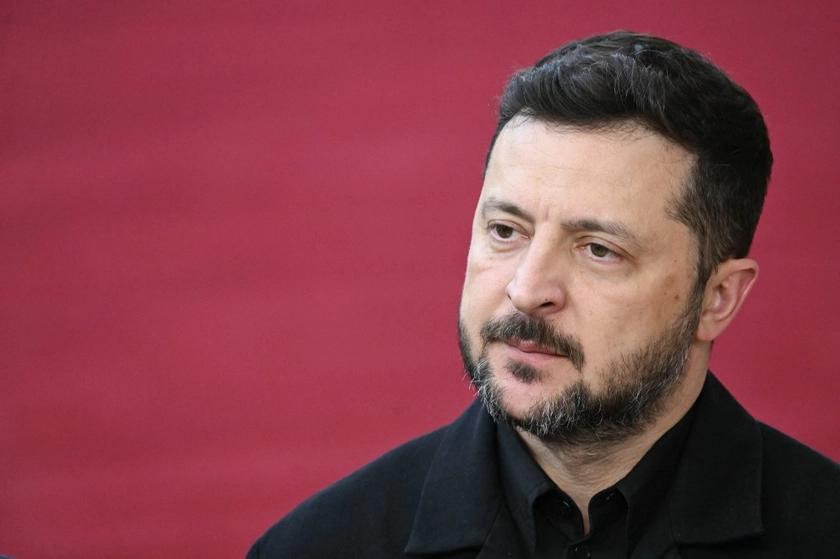
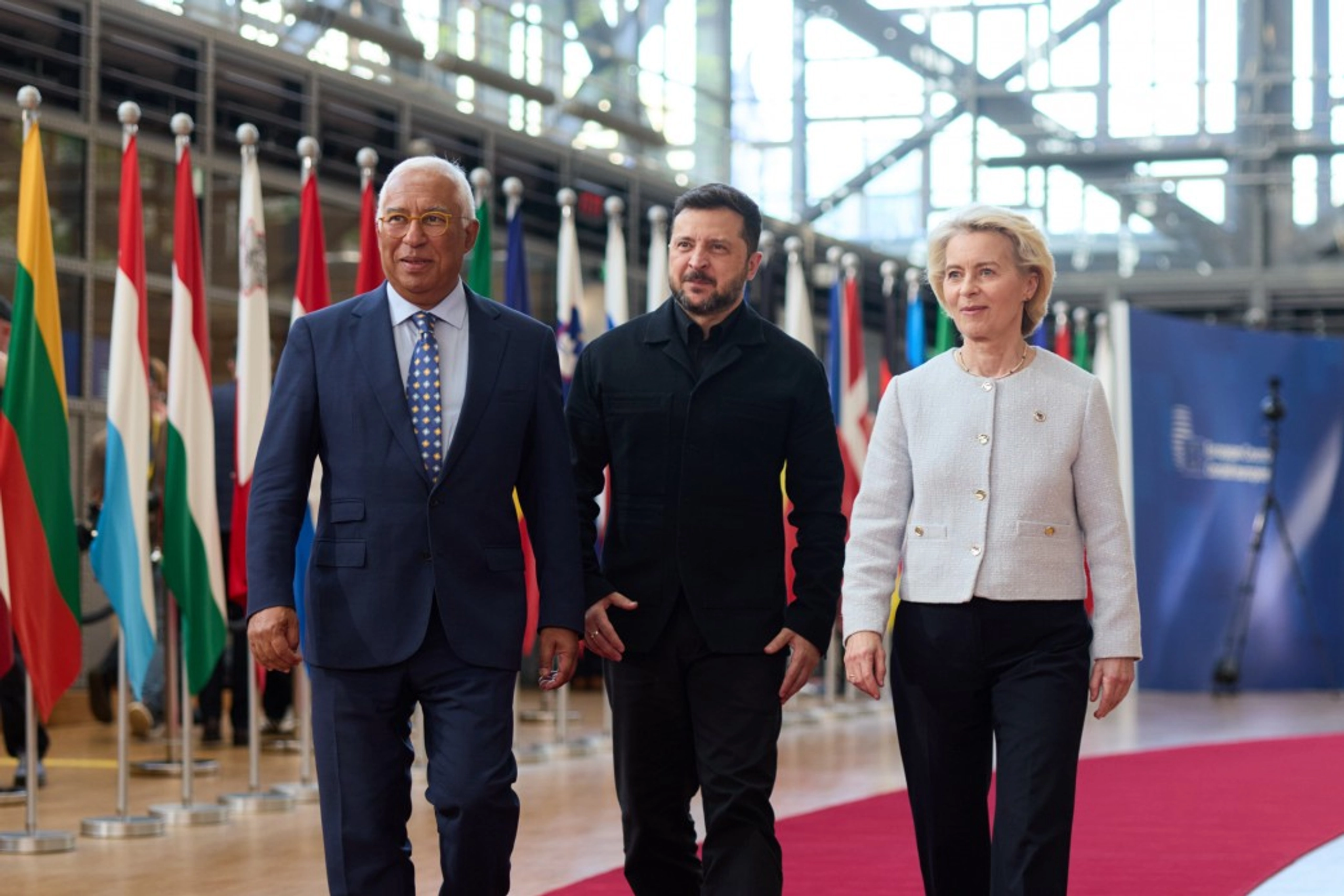
The EU27 glad-handed Volodymyr Zelenskyy, Ukraine’s president, celebrating the formal opening of EU membership talks.
The mood shifted when he left the room and discussion quickly turned to the vexed question of engagement with the Kremlin – which is showing no desire to negotiate for peace.
EU leaders clashed over which constellation of countries should lead potential talks with Russia in future.
Emmanuel Macron, the French president, pushed for Britain to be involved and said it was a question of Europe taking the lead, rather than merely the EU.
Merz favoured operating under the E3 diplomatic format of France, Britain and Germany.
Poland’s Donald Tusk, however, wanted a wider group of countries to lead the talks than the E3, of which it is not a member. The formation is also tainted by its negotiation of the Minsk accords with Russia in 2015 after Moscow annexed Ukraine’s Crimea.
Giorgia Meloni, the Italian prime minister, who is also no fan of the E3 club, pushed European leaders to appoint a single EU envoy to open a dialogue with Moscow.
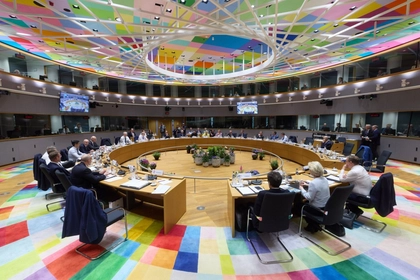
Address by the President of Ukraine to the Participants of the European Council Meeting
As the Ukraine discussions dragged on longer than their allotted time, Meloni argued that a unified European voice, chosen by all 27 member states, would strengthen the bloc in future negotiations, two EU diplomats told Euractiv.
Speaking to Italian media on Wednesday, Meloni stated that the ideal profile would “come from a medium-sized or smaller country.”
One prime minister told his aides that the discussion was “insane” because there is no sign of Putin opening up to talks to end the war.
Lourtie’s hotline
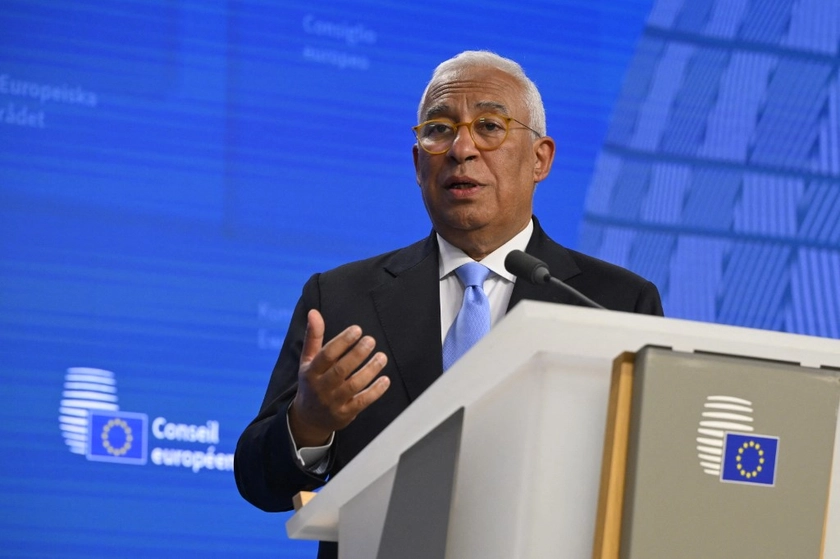
A move by António Costa, the European Council president, to establish a hotline to the Kremlin to be ready for future negotiations divided the room, generating both criticism and support among leaders, senior diplomats said.
Costa instructed the seasoned Portuguese diplomat Pedro Lourtie, his head of cabinet, to conduct two phone calls with Russian diplomats.
EU officials said this came after Zelenskyy pressed the EU at a summit in April to step into the mediating role vacated by the Americans preoccupied by the Iran war.
It was interpreted by some as a pitch by Costa to position himself for the role.
Baltic countries, Denmark and other Nordics were the most critical of the move, which Costa had not pre-coordinated with a broad swathe of countries.
Both France and Italy have been calling for Europe to talk to the Kremlin since late last year. Macron’s efforts were swiftly rebuffed by Russia.
In May, Costa cautioned that talks with Moscow were premature saying that the EU will only talk to Vladimir Putin at the “right moment.”
There was a light-hearted moment at 2 am, when Costa walked past Bart De Wever, the Belgian prime minister, as he was speaking to journalists.
“I was just talking about you António, full of praise! Saying you are the only one who can represent us and that we will send you to Moscow as quickly as possible!” the Belgian joked.
“Because you don’t like me in Brussels,” Costa quipped right back at him.
See the original here.
You can also highlight the text and press Ctrl + Enter