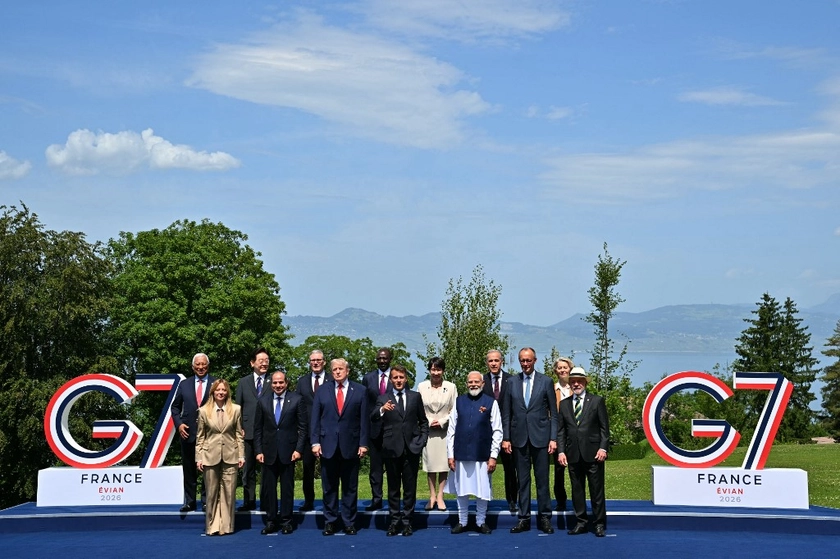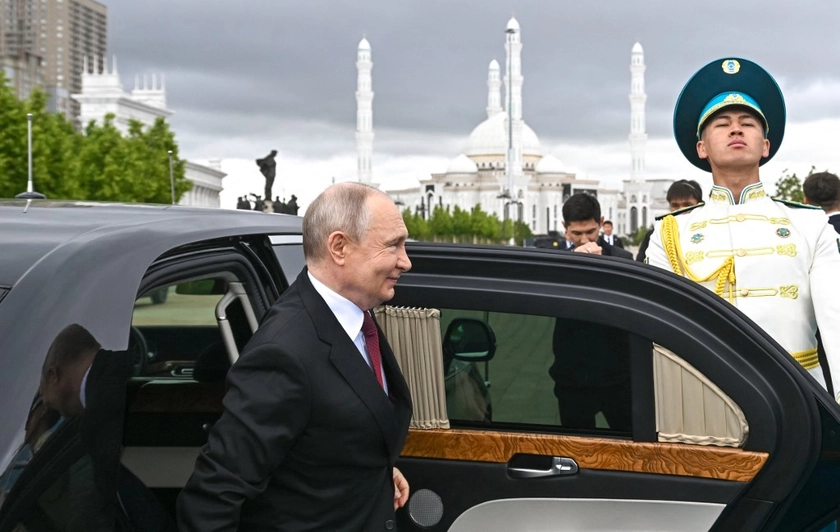



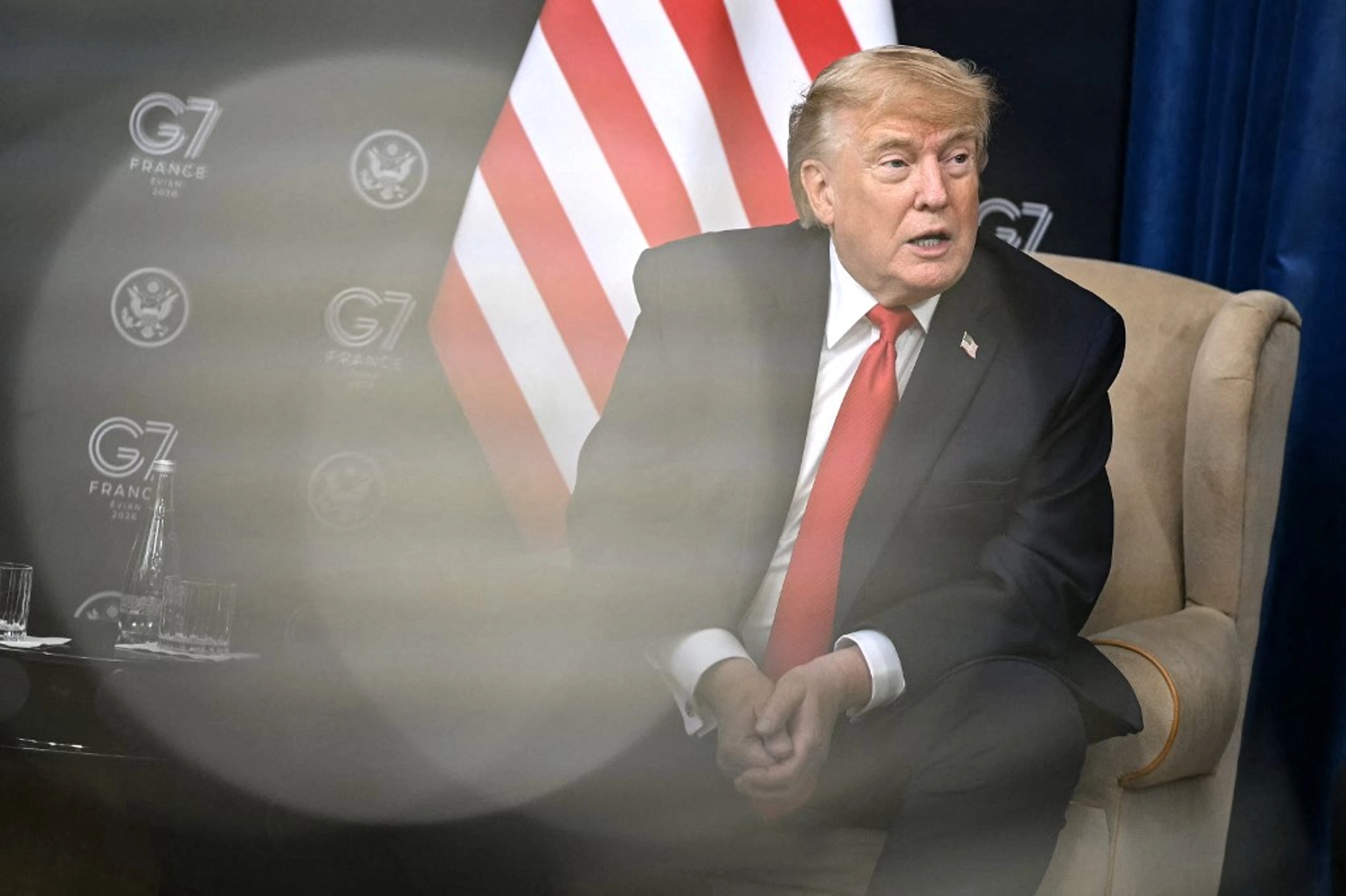
US President Donald Trump said that Washington could soon restore sanctions targeting Russian oil exports, as G7 leaders sought to increase pressure on Moscow over its war against Ukraine.
Speaking at the summit on Tuesday, Trump said the move had been delayed because of concerns over disruptions to global energy supplies during the recent conflict in the Middle East.
JOIN US ON TELEGRAM
Follow our coverage of the war on the @Kyivpost_official.
“Soon we will be able to do that as the oil is now flowing” through the Strait of Hormuz again, Trump said, referring to the agreement with Iran that ended the regional war.
US sanctions policy on Russian oil has shifted repeatedly in recent months.
In March, the US Treasury Department under Secretary Scott Bessent introduced limited exemptions allowing already-loaded Russian crude oil cargoes to be delivered, following a surge in global energy prices following the outbreak of the US-Israeli war with Iran on Feb. 28 and disruptions to Gulf shipping routes.
The measures were designed as a temporary buffer for global energy markets, with waivers later extended through April under General License 134B.
According to Reuters, the exemptions were also intended to help “poor and vulnerable countries” facing supply shortages as access to Middle East oil tightened.
Washington initially said the exemptions would last 30 days, but they were extended multiple times at the request of several countries seeking to avoid further shocks to global energy supplies.
More Than 60% of Russians Want War to End, Zelensky Says
In May, US policy on the waivers shifted back and forth.
On May 17, the Trump administration terminated a short-lived sanctions-waiver program for Russian oil, signaling a return to tighter economic pressure on Moscow.
Just a day later, on May 18, Washington extended the waiver for another 30 days after continued concerns over energy market instability.
The repeated adjustments drew criticism from European allies and Ukraine.
President Volodymyr Zelensky warned that Russia, which relies heavily on oil revenues to fund its war effort, should not benefit from any easing of sanctions while continuing strikes on Ukrainian cities.
With oil flows through the Strait of Hormuz now stabilizing, Trump suggested that the US may finally be in a position to reinstate tougher measures.
You can also highlight the text and press Ctrl + Enter

Putin’s Worst Nightmare
Zelensky Reveals Intercepted Intel From Putin’s Desk