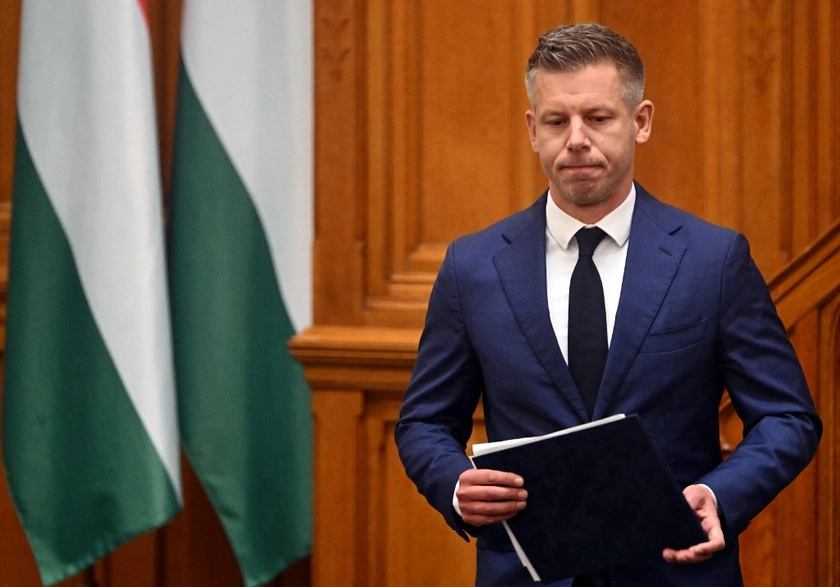


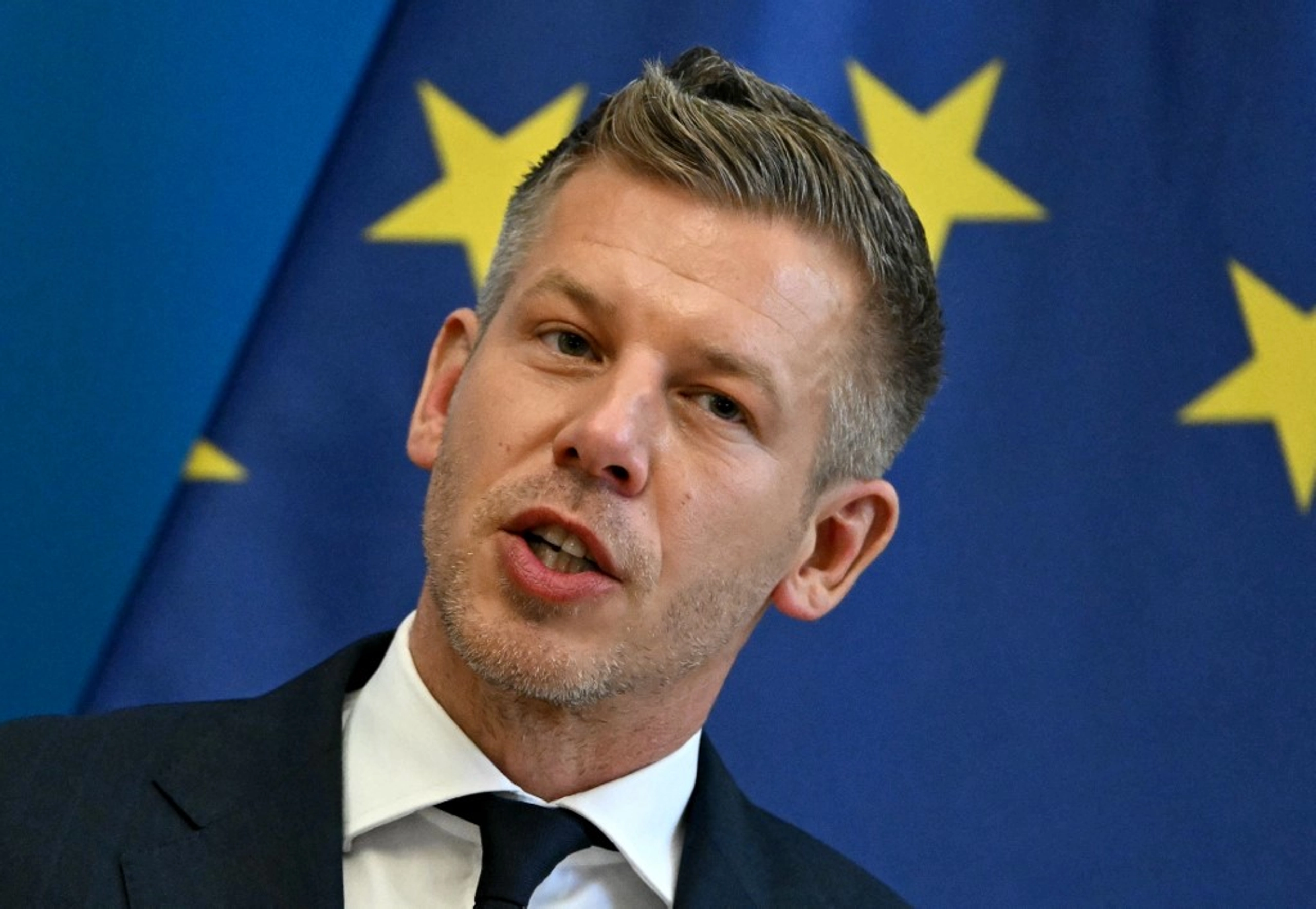
Hungary and Ukraine have officially resolved one of the most contentious issues in their bilateral relationship. Hungarian Prime Minister Péter Magyar announced on X on June 12 that the two nations have formalized a comprehensive agreement safeguarding the rights of the ethnic Hungarian minority residing in western Ukraine.
Formalizing minority protections
In a public statement, Magyar confirmed that the Ukrainian government has issued a formal diplomatic note committing to the full implementation of the agreement’s provisions. Kyiv has embedded these commitments into its EU Minority Action Plan.
JOIN US ON TELEGRAM
Follow our coverage of the war on the @Kyivpost_official.
“The historic agreement between Hungary and Ukraine on the educational, cultural, linguistic, and political rights of the Hungarian community in Transcarpathia has now been formalised,” Magyar wrote on social media.
Because the agreement is now tied to Ukraine’s EU accession framework, both the European Commission and the European Council will actively monitor Kyiv’s compliance. Magyar warned that if Ukraine fails to uphold its obligations regarding minority rights, further progress in its EU accession process could be blocked.
Restoring rights in Transcarpathia
According to DailyNewsHungary, the dispute over minority rights has dominated Hungarian-Ukrainian relations for the past decade. Previous governments in Budapest consistently argued that Ukrainian legislation regarding state language and education severely curtailed the rights of the approximately 100,000 ethnic Hungarians living in the Transcarpathia region.
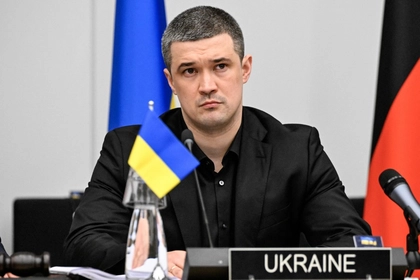
Ukraine Regained Battlefield Initiative but Needs More Aid to Keep It – Fedorov
Under the new terms, Ukraine has agreed to a sweeping restoration of fundamental rights for the minority population. Key concessions include reinstating a system of schools for ethnic minorities where students can utilize their native language in all educational settings, including during official examinations, as well as permitting ethnic Hungarian students and community members to freely use Hungarian national symbols and flags during celebrations and public events.
The historic agreement between Hungary and Ukraine on the educational, cultural, linguistic, and political rights of the Hungarian community in Transcarpathia has now been formalised.
— Magyar Péter (Ne féljetek) (@magyarpeterMP) June 12, 2026
In an formal diplomatic note, the Ukrainian side has committed itself to implementing all…
Unblocking Ukraine’s EU path
With the political agreement sealed, Hungary has lifted its longstanding veto threat and officially agreed to support the opening of the first negotiating cluster for Ukraine’s accession to the EU.
EU governments are planning to open this initial negotiating cluster at an intergovernmental conference in Luxembourg on June 15, which will mark the first formal step in detailed talks regarding the political, legal, and economic reforms required before Ukraine can join the bloc. European Commission President Ursula von der Leyen previously indicated that the matter would be discussed at the European Council summit on June 18-19.
Despite the breakthrough, Magyar cautioned that opening the first cluster is merely the beginning of what is likely to be a protracted process, pointing to Montenegro, which began its accession negotiations in 2012 and has yet to achieve full membership.
A political swipe at Orbán
The diplomatic resolution serves as a major foreign policy victory for Magyar, who used the announcement to draw a contrast between his new administration and the previous regime.
Former Prime Minister Viktor Orbán frequently leveraged the minority rights issue to block Ukraine’s integration with both the EU and NATO, engaging in prolonged but ultimately fruitless negotiations.
“In just a few weeks, we have succeeded in resolving an issue that the Orbán government was unable to address in ten years,” Magyar stated, emphasizing his government’s ability to swiftly secure long-standing Hungarian demands without indefinitely paralyzing regional diplomacy.
You can also highlight the text and press Ctrl + Enter