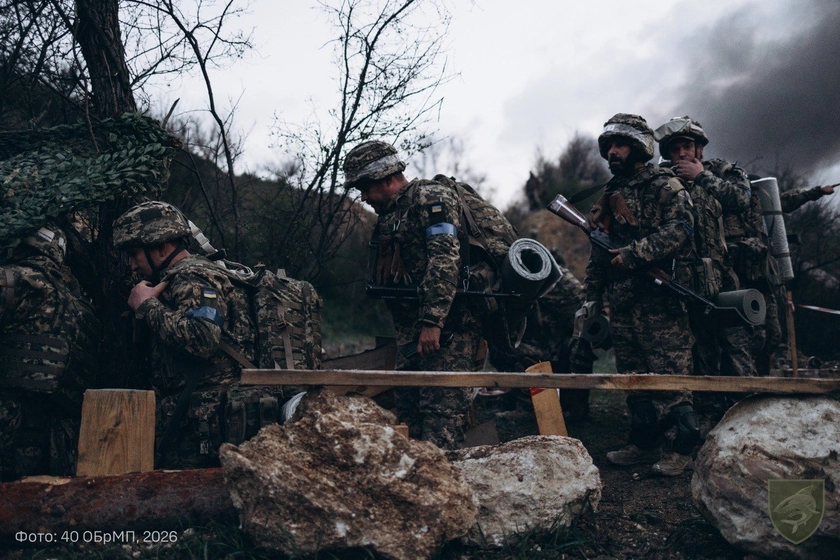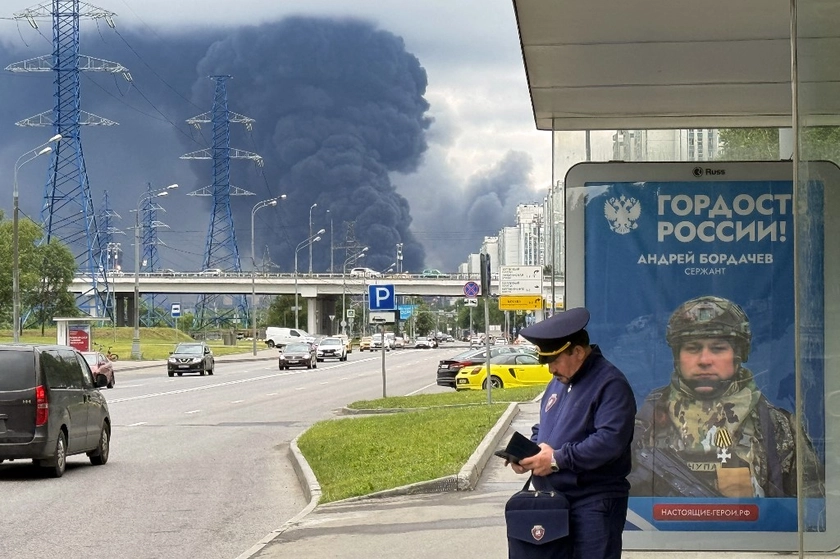



A widening Ukrainian drone and missile campaign against Russia’s supply routes to occupied Crimea has triggered growing panic among Russian civilians and occupation authorities.
Over several days, Ukrainian forces have methodically targeted key bottlenecks linking the peninsula to occupied southern Ukraine.
JOIN US ON TELEGRAM
Follow our coverage of the war on the @Kyivpost_official.
Kremlin-installed officials have acknowledged significant damage to multiple bridges.
“This is definitely just the beginning,” Ukrainian commander Yuri Nastenko warned. “What will happen? I simply suggest everyone buy some popcorn. Sit down, watch, and enjoy.”
Crimea’s tourism season collapses
The most visible sign of pressure is a creeping energy crisis. In Sevastopol and across occupied Crimea, petrol stations have reportedly run dry or faced massive gridlock. Occupation authorities temporarily suspended fuel coupon distribution, admitting that delivery trucks could no longer reach key cities.
Priority refueling has been strictly reserved for emergency and military services, fueling anxiety among Russian tourists stranded on the peninsula.
The timing is a severe blow to Moscow. Crimea’s summer tourism season has long been used by the Kremlin to project a false narrative of “normalization.” Disrupted roads, empty pumps, and repeated strikes are now dismantling that illusion.
Cutting the cord
Ukraine’s campaign is choking the core of Russia’s military logistics. Ukrainian drone units are maintaining constant fire control over the “Novorossiya” highway – the primary land corridor used to move fuel, ammunition, and equipment through occupied southern Ukraine.
Stalwart Denmark Announces 30th Military Aid Package for Ukraine
Robert “Madyar” Brovdi, commander of Ukraine’s Unmanned Systems Forces, revealed that targeted strikes have shattered Russian military cargo traffic. Freight volumes on key supply routes plummeted by 71 percent over a two-week period, dropping from roughly 3,800 to just 1,100 vehicles per day.
The cumulative effect of damaged crossings and threatened road corridors has transformed Crimea from a secure rear base into a vulnerable logistical trap.
Panic goes live on Russian TV
This panic is no longer confined to social media; it is now being broadcast on Russian television.
Kremlin propagandists are suddenly being forced to address uncomfortable realities. On air, talk-show host Vladimir Solovyov warned that Ukraine is “actively cutting” Russian logistics and may be preparing a large-scale amphibious landing operation in Crimea to mirror the political shock of its Kursk offensive.
Meanwhile, media boss Margarita Simonyan complained on air that Ukrainian drones are reaching deep into Russia, forcing her own children to sleep in hallways.
A trophy turned nightmare
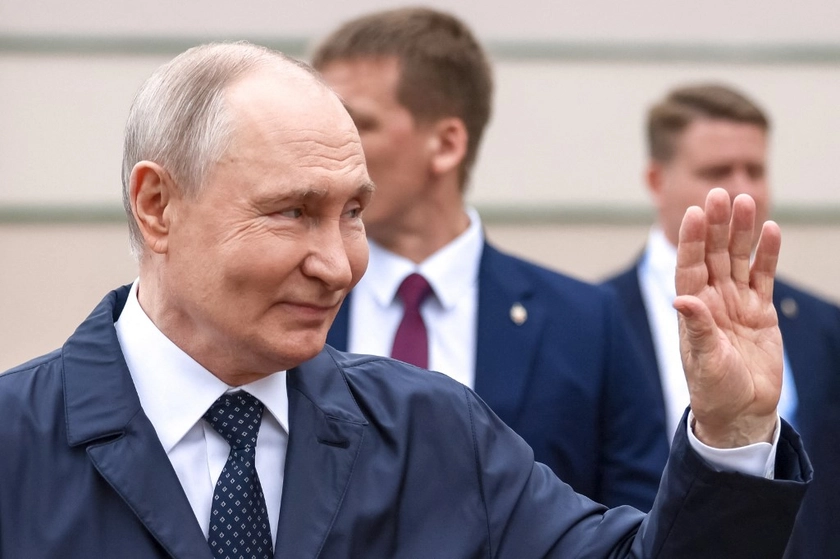
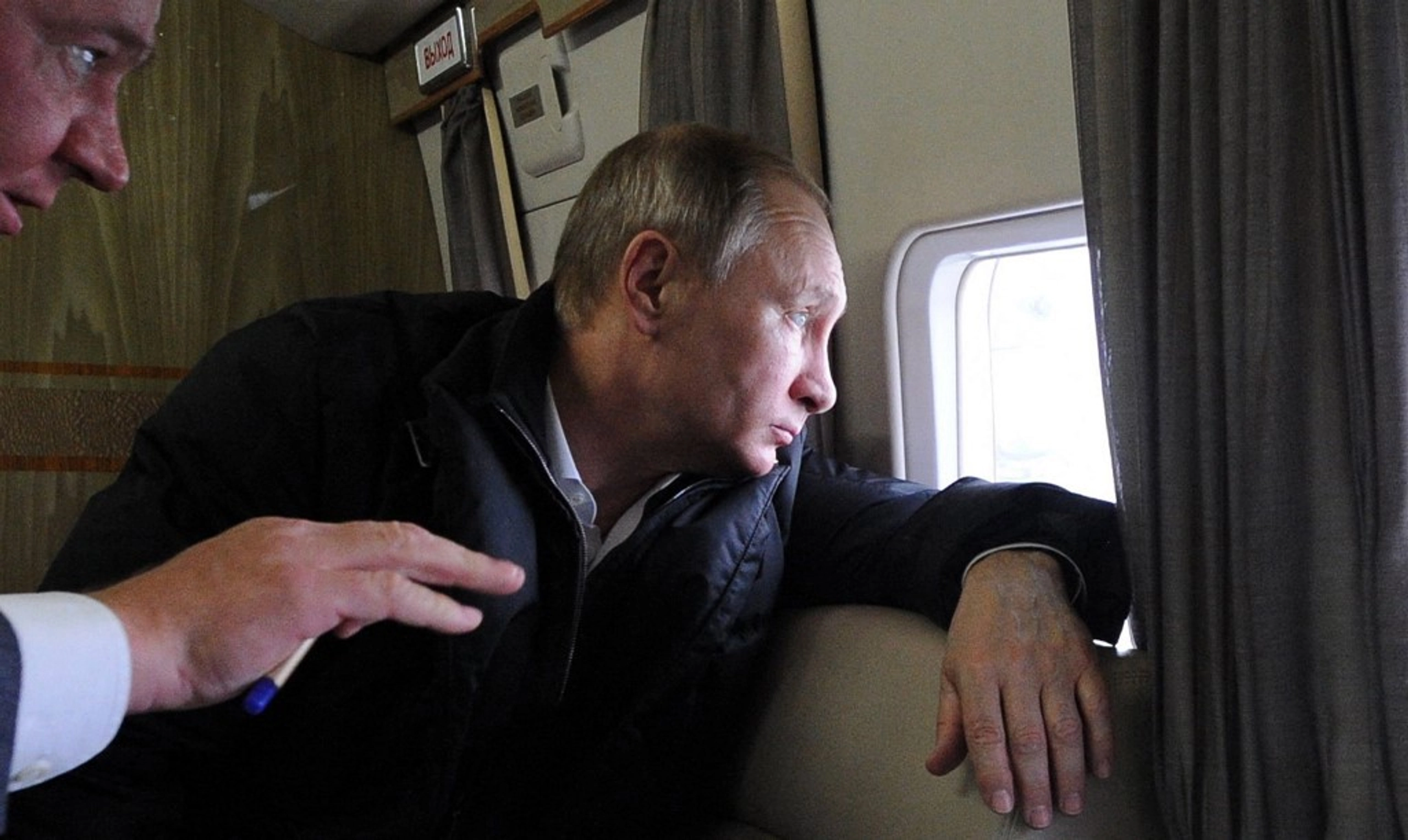
When confronted with these escalating crises, Putin has offered little more than recycled rhetoric. Rather than addressing the logistical collapse, he recently issued a generic public address telling citizens to ignore critics and trust the military: “The whole country is watching you... Work, brothers.”
But it is no longer 2022. Those same “brothers” are now fighting in a war where Russia can no longer guarantee the safety of its own supply lines.
By systematically squeezing Crimea’s supply routes, Ukraine is turning Putin’s strategic trophy into a growing liability.
You can also highlight the text and press Ctrl + Enter