


Ukraine carried out a new wave of long-range strikes deep inside Russia early Wednesday, with President Volodymyr Zelensky confirming the use of FP-5 Flamingo missiles against key military and energy infrastructure.
Moscow said its air defenses intercepted 326 Ukrainian drones across 20 regions, describing one of the largest coordinated aerial assaults of the war. Independent verification of the full scale of the attack remains limited.
JOIN US ON TELEGRAM
Follow our coverage of the war on the @Kyivpost_official.
Flamingo strikes confirmed
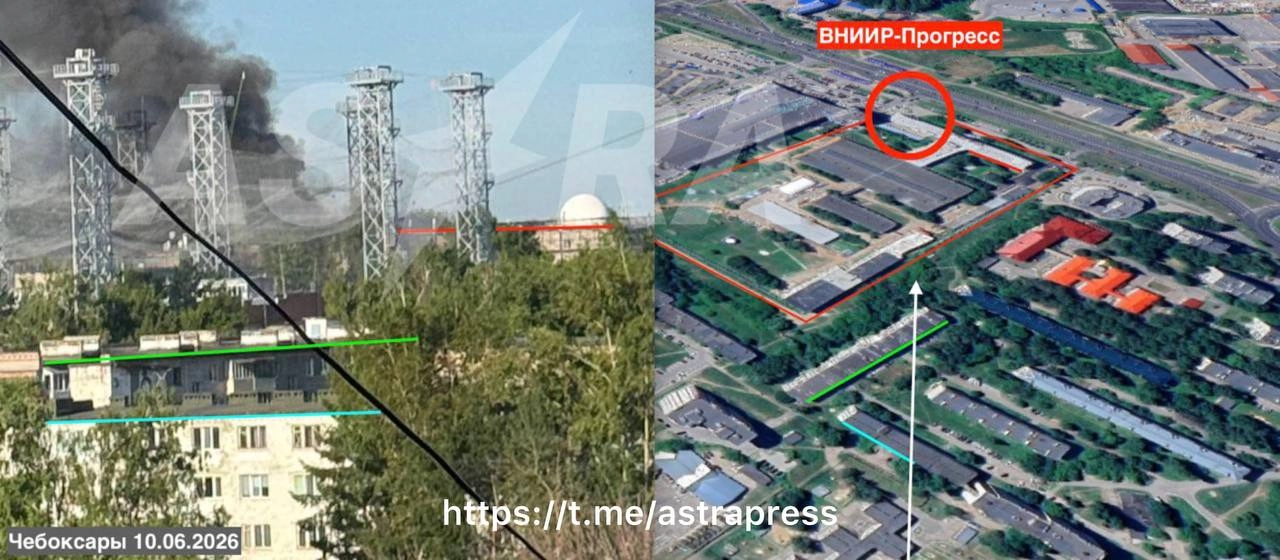
In a statement, Zelensky said Ukrainian forces used FP-5 Flamingo missiles to hit a military-industrial facility in Cheboksary, which he said supplies components for Russian drones and missiles.
The targeted military plant, according to Russian independent media outlet ASTRA, is the VNIIR-Progress plant.
It is linked to the production of Kometa antenna systems used in Russian drones and precision-guided weapons designed to resist electronic warfare.
Ukraine’s General Staff has previously said the facility also manufactures satellite receivers and navigation antennas for GLONASS, GPS and Galileo systems. The plant has been repeatedly targeted in earlier attacks.
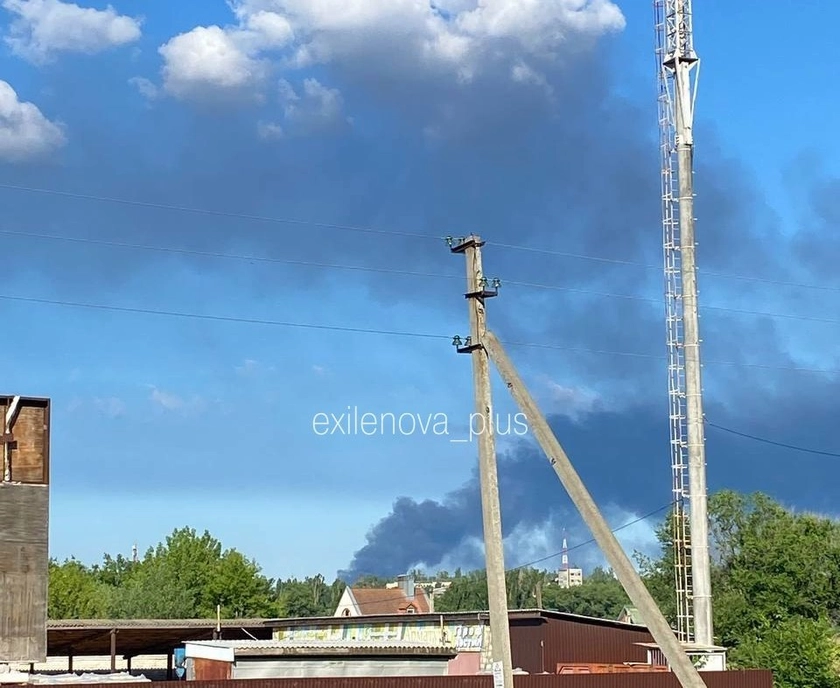
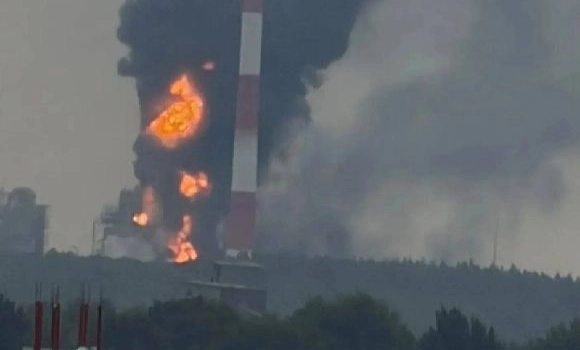
Zelensky also confirmed a strike on the Kuibyshev oil refinery in Russia’s Samara region, one of the country’s key fuel-processing facilities and a repeated target of long-range attacks. The refinery lies more than 900 kilometres from Ukraine’s front line.
Zelensky said the operation formed part of what he described as Ukraine’s “long-range sanctions” campaign targeting Russia’s military production base and energy sector.
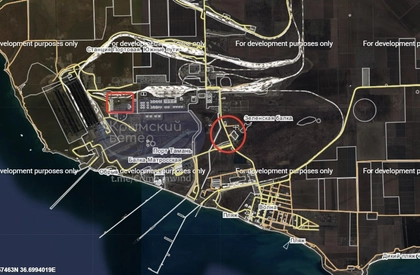
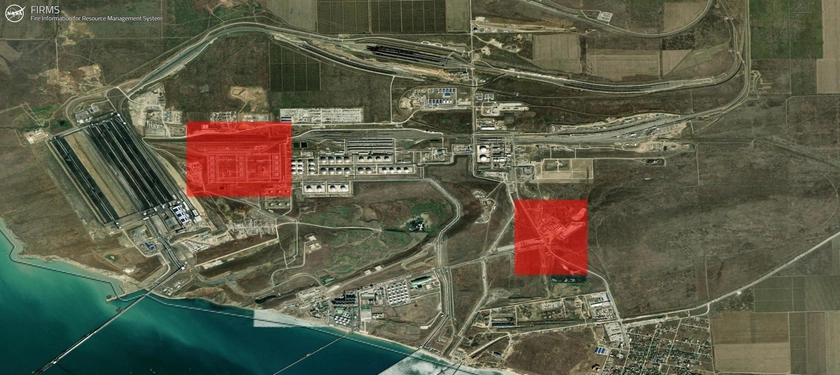
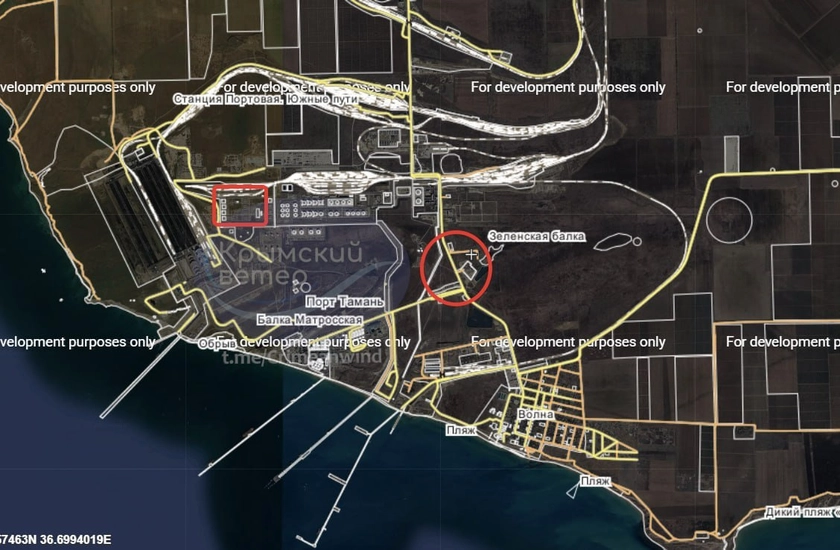
SBU, HUR, and SSO Joint Drone Strike Cripples Tamanneftegas Terminal
SBU hits critical fuel infrastructure in Vladimir region
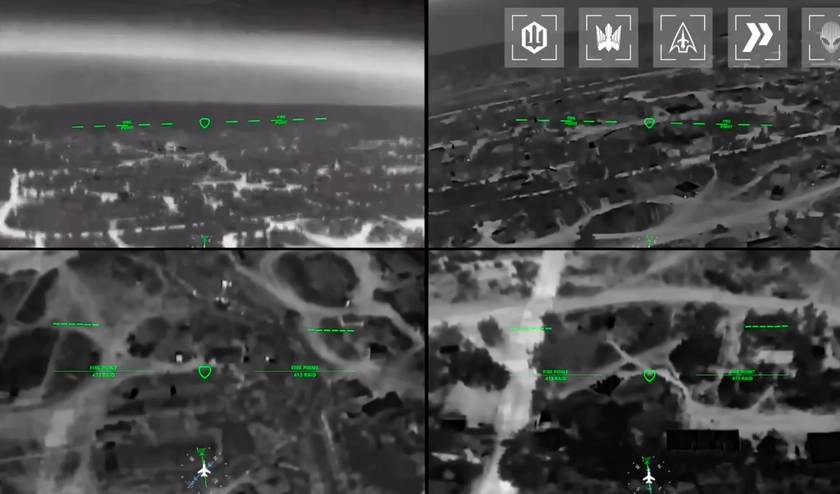
Separately, Ukraine’s Security Service (SBU) confirmed that its special operations unit “Alpha,” acting under orders from President Zelensky, struck two oil pumping stations — “Vtorovo” and “Lobkovo” – in Russia’s Vladimir region, around 700 kilometers from the front line.
According to Ukrainian officials, the stations are key components of Russia’s fuel logistics system, used to transport diesel to the Moscow oil product pipeline network and to export routes leading to Baltic Sea ports, including Primorsk.
Local authorities in the Vladimir region confirmed fires at two infrastructure sites following drone strikes. The NASA FIRMS satellite monitoring system also detected thermal anomalies at the locations, indicating active burning.
Ukrainian officials said disabling such facilities has strategic importance, as disruptions to pumping stations complicate fuel supplies to industrial centers and military infrastructure while also affecting export flows that generate revenue for the Kremlin’s war effort.
Separately, Moscow Mayor Sergei Sobyanin said air defenses shot down 12 drones approaching the capital during the same period.
Russia’s Defense Ministry said its forces destroyed 326 Ukrainian drones overnight across 20 regions. It did not report any missile interceptions or acknowledge damage to strategic facilities.
You can also highlight the text and press Ctrl + Enter