





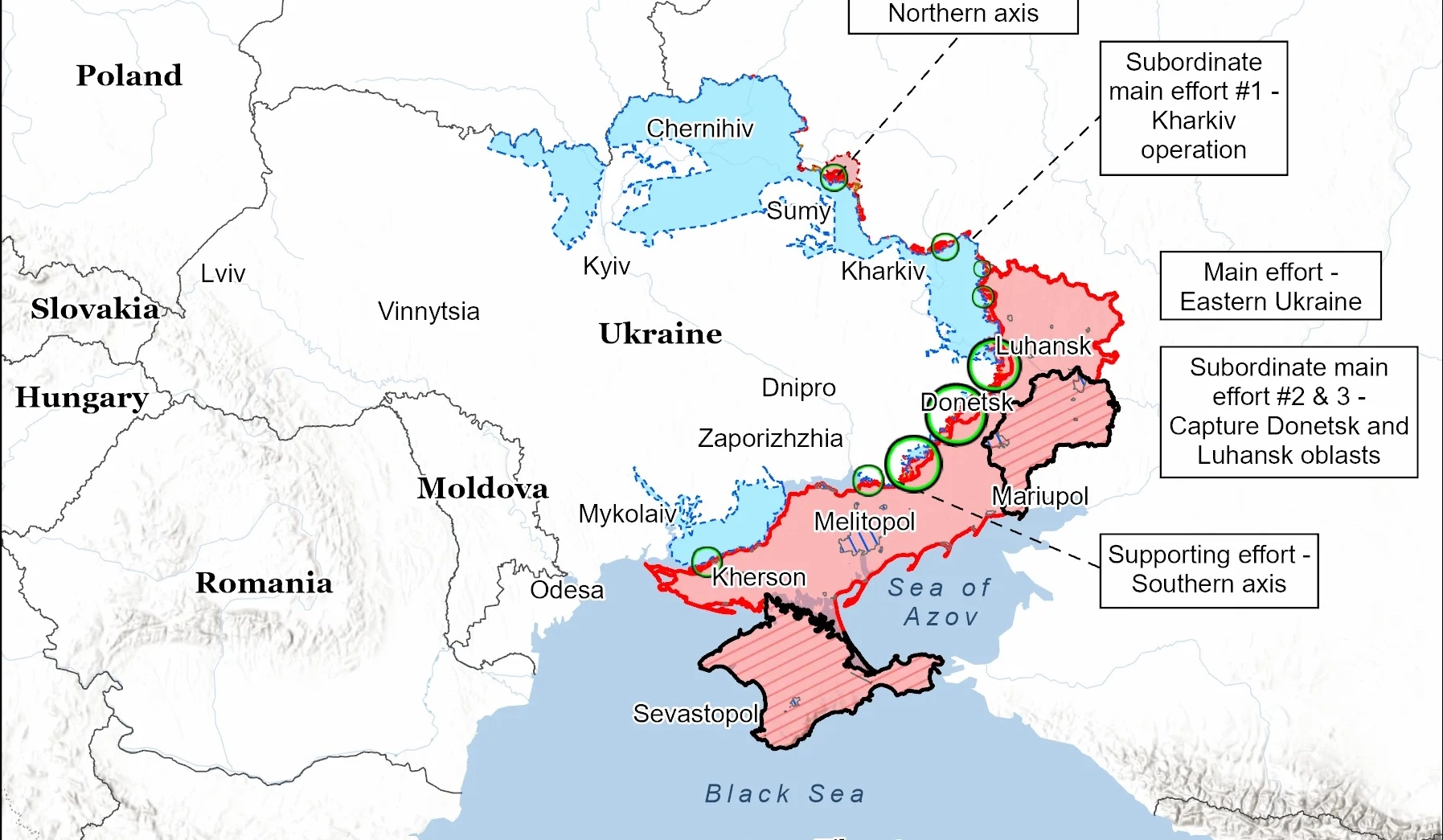
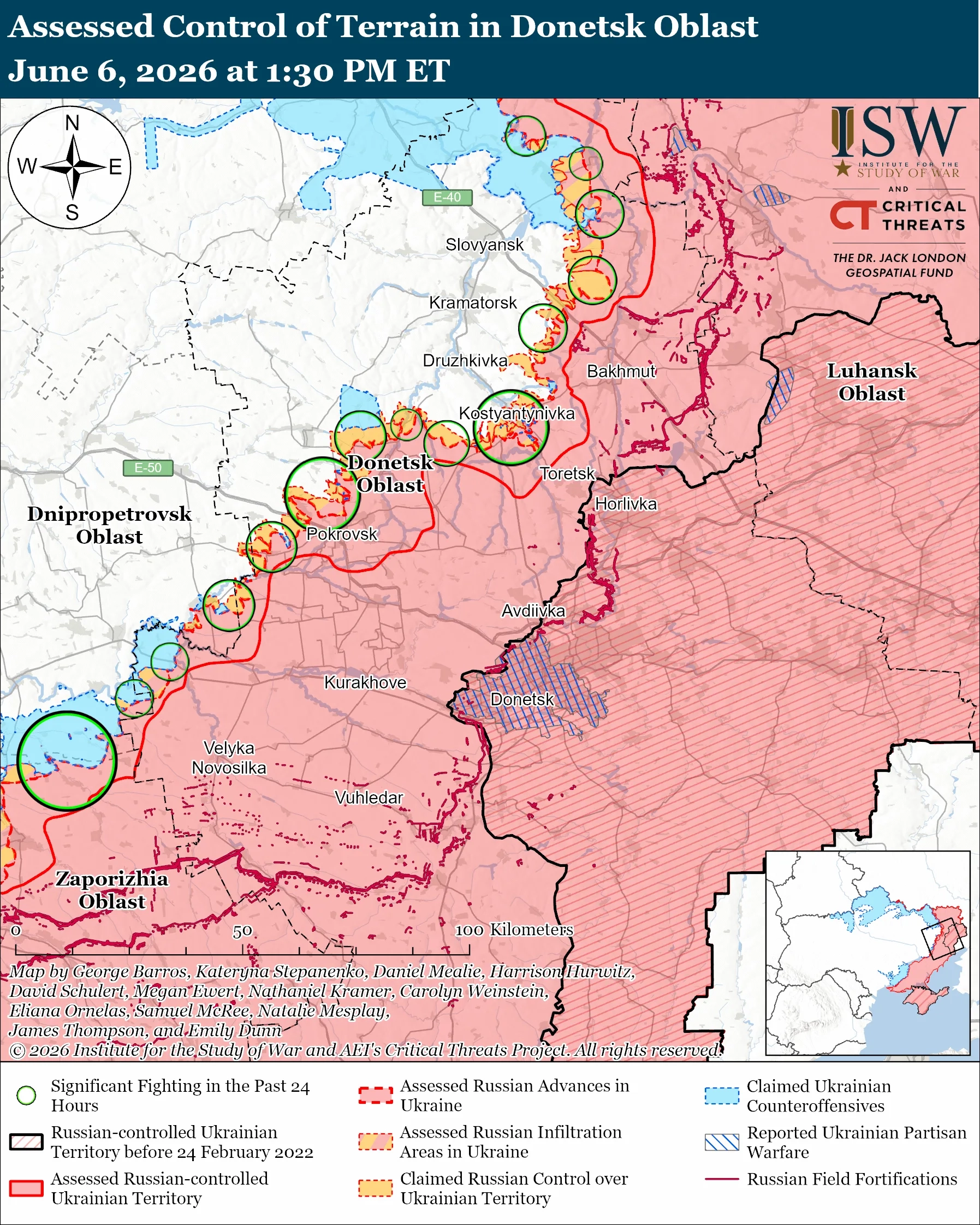
Key Takeaways from the ISW:
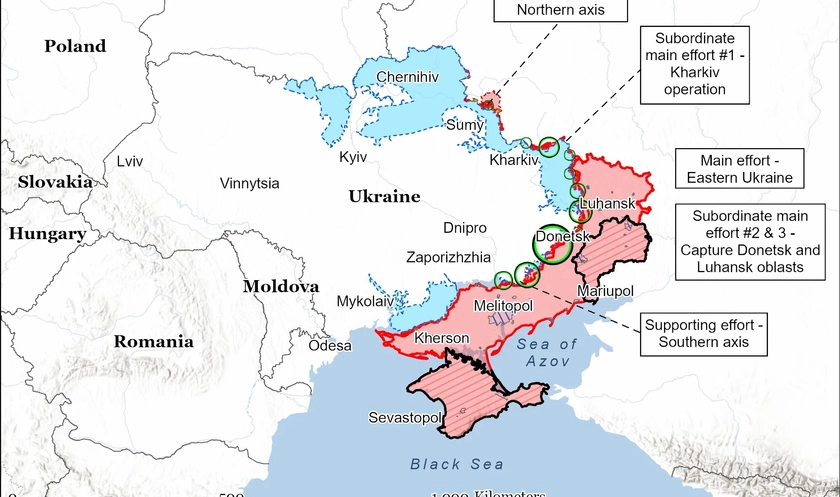
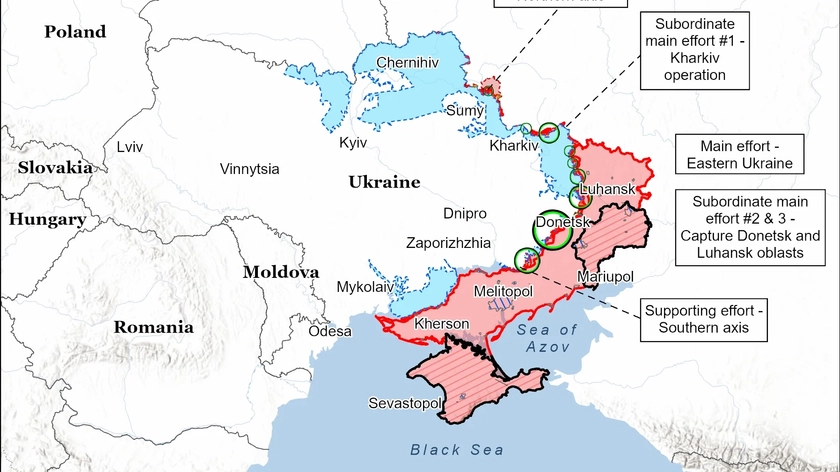
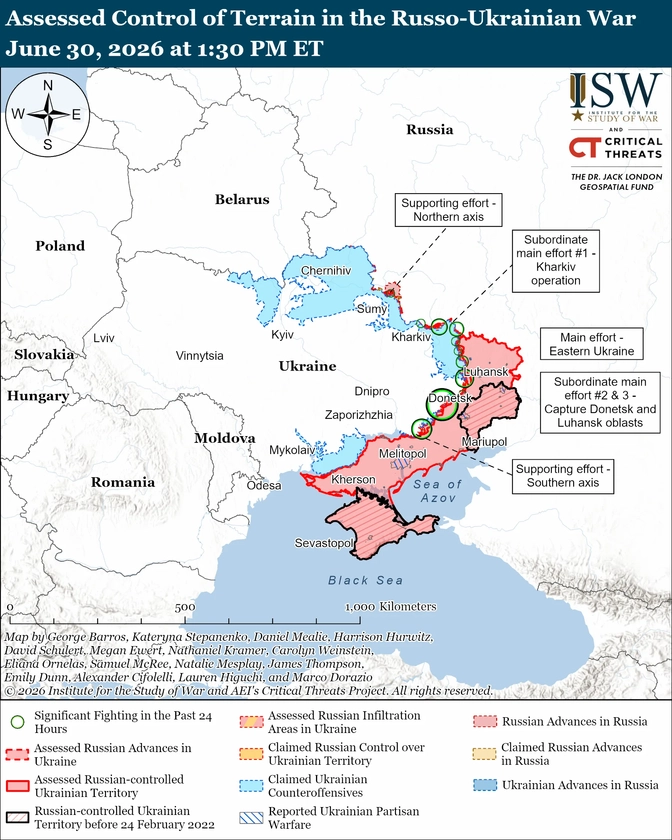
- Different sources continue to conclude that the Russian military’s performance is declining, despite utilizing differing mapping methodologies to visualize the battlefield situation.
- Ukrainian forces conducted a second series of strikes against St. Petersburg as the St. Petersburg International Economic Forum (SPIEF) closed on June 6, demonstrating again that Russia cannot reliably defend its major cities from Ukrainian strikes even during prominent international events.
- Ukrainian strikes against St. Petersburg undermine Kremlin efforts to use SPIEF to project stability within Russia domestically and to international audiences.
- Ongoing gasoline shortages in occupied Ukraine are creating long lines on the Kerch Bridge and at gas stations in nearby Russian territories.
- Fuel shortages continue to spread throughout Russia as well and will likely worsen as high summertime demand continues.
- Ukraine’s mid-range strike campaign against major Russian ground lines of communication (GLOCs) in occupied Ukraine continues to disrupt vehicle movement.
- Kremlin officials continue to reject any negotiated settlement that fails to address its fabricated “root causes” of the war in Ukraine.
- Ukrainian forces recently advanced in the Kostyantynivka direction. Russian forces recently advanced in the Slovyansk and Pokrovsk directions.
- Ukrainian forces struck Russian oil infrastructure in Krasnodar Krai and Russian military assets in Russian border regions on June 6. Russian forces launched 272 drones against Ukraine overnight.
JOIN US ON TELEGRAM
Follow our coverage of the war on the @Kyivpost_official.
See the original here.
To suggest a correction or clarification, write to us here
You can also highlight the text and press Ctrl + Enter
You can also highlight the text and press Ctrl + Enter


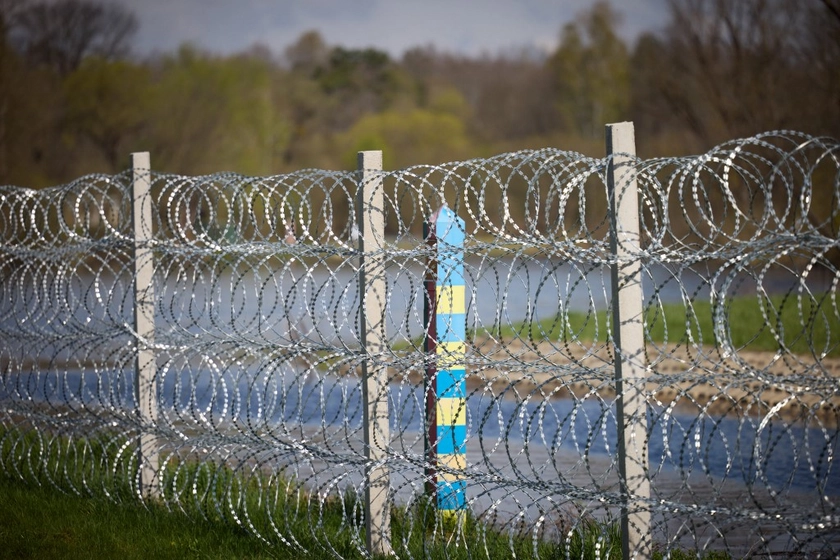
ANALYSIS: Why Ukraine has Abandoned Four Years of Caution over Belarus
Ukraine has issued a public ultimatum to Belarus, demanding the removal of relay equipment used to guide Russian drone strikes.
June 28, 2026