


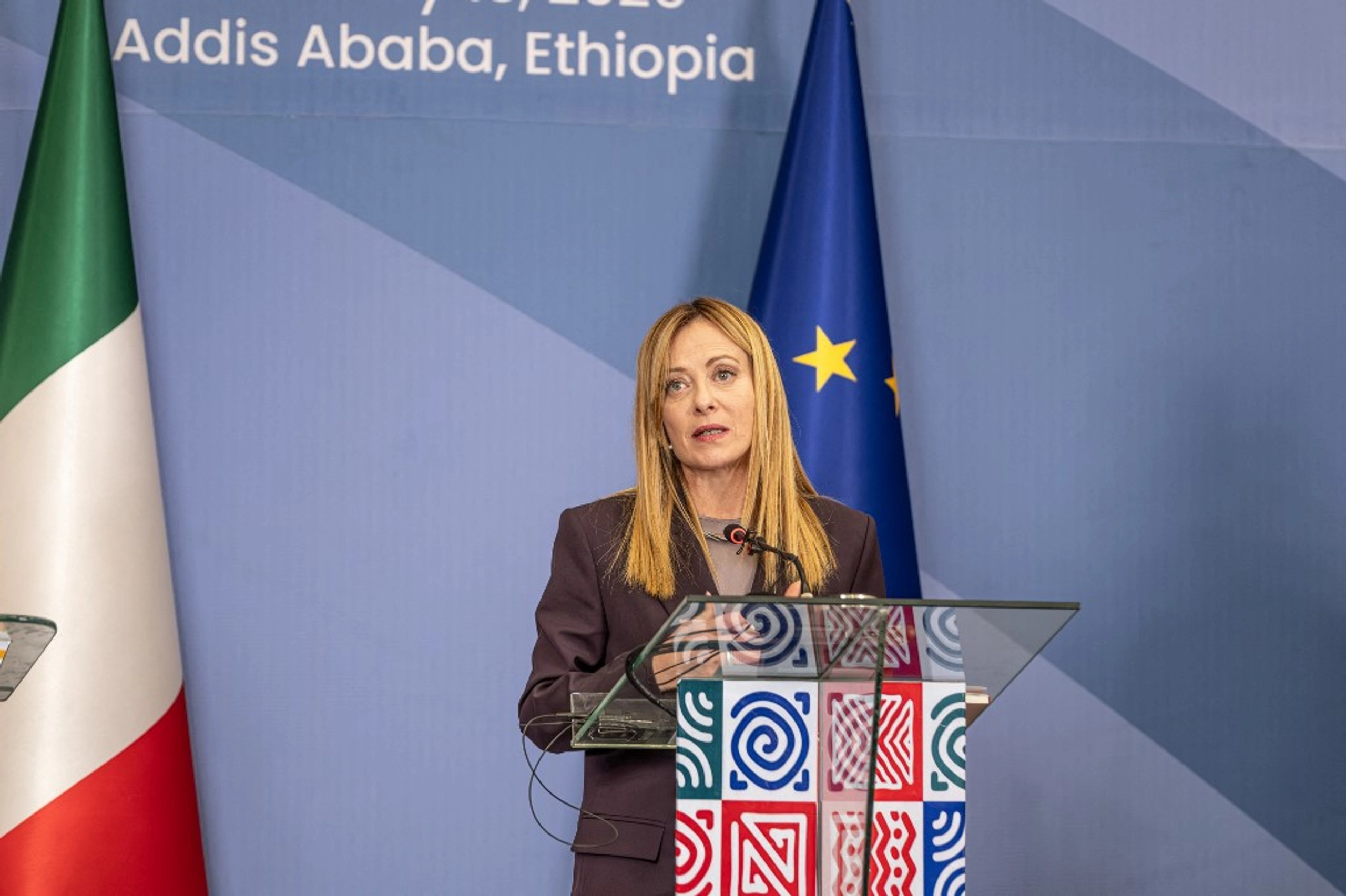
Italy has proposed including security guarantees for Ukraine modeled on NATO’s Article 5 collective defense clause in a future peace plan, reiterating an idea first advanced by Italian Prime Minister Giorgia Meloni more than a year ago.
According to Italian news agency ANSA, Meloni said the proposal would extend NATO security protections to Ukraine without granting full membership in the alliance. She added that the initiative, initially received with skepticism by some partners, has since been incorporated into draft peace plan documents under discussion among allies.
JOIN US ON TELEGRAM
Follow our coverage of the war on the @Kyivpost_official.
Meloni first publicly proposed extending Article 5 guarantees to Ukraine in March 2025, arguing that collective security protection – rather than the deployment of foreign troops – would offer the most effective and lasting deterrent against Russian aggression.
“Sending unspecified military contingents, whether British or any other, is the most complex and possibly the least effective solution,” Meloni said at the EU leaders’ meeting in Brussels on March 6. “I have said this, repeated it, and have also ruled out the possibility that Italian troops could be sent in this context.”
Under the proposal, any attack on Ukraine would trigger a coordinated response similar to NATO’s collective defense mechanism, under which an attack on one member is treated as an attack on all.
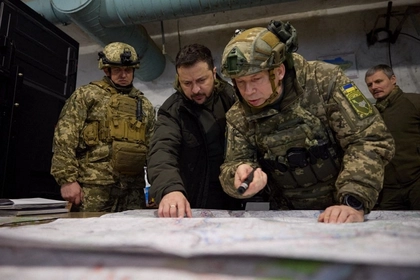
Syrsky: Russian Maps Show False Advances to Please Top Command
The idea has faced resistance from some, including the US, where President Donald Trump has questioned the scope and obligations of the alliance. Senior officials have repeatedly voiced concerns over NATO’s relevance and burden‑sharing arrangements, signaling reluctance to expand collective defense commitments.
The renewed discussion comes amid ongoing talks among Ukraine’s partners on how to ensure Kyiv’s long-term security, as Russia’s full-scale invasion continues.
Italy has said it remains committed to supporting Ukraine and to advancing what Meloni described as a sustainable and credible framework for peace.
You can also highlight the text and press Ctrl + Enter