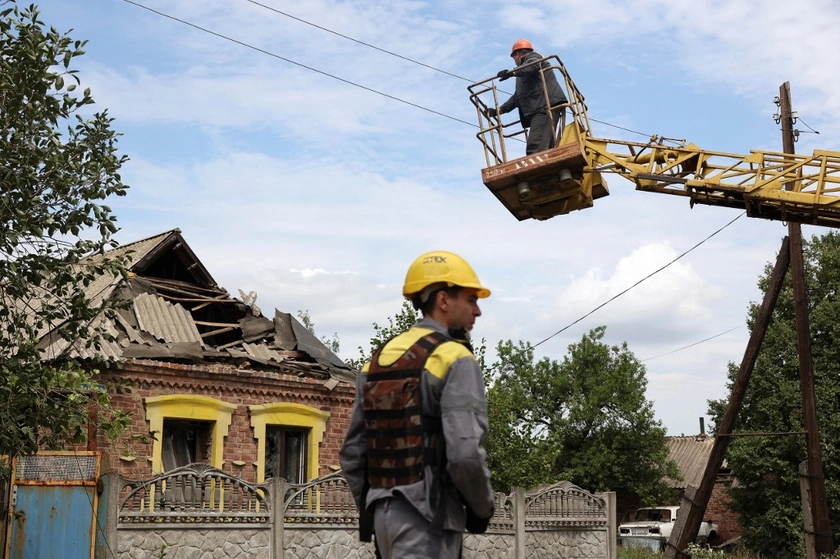




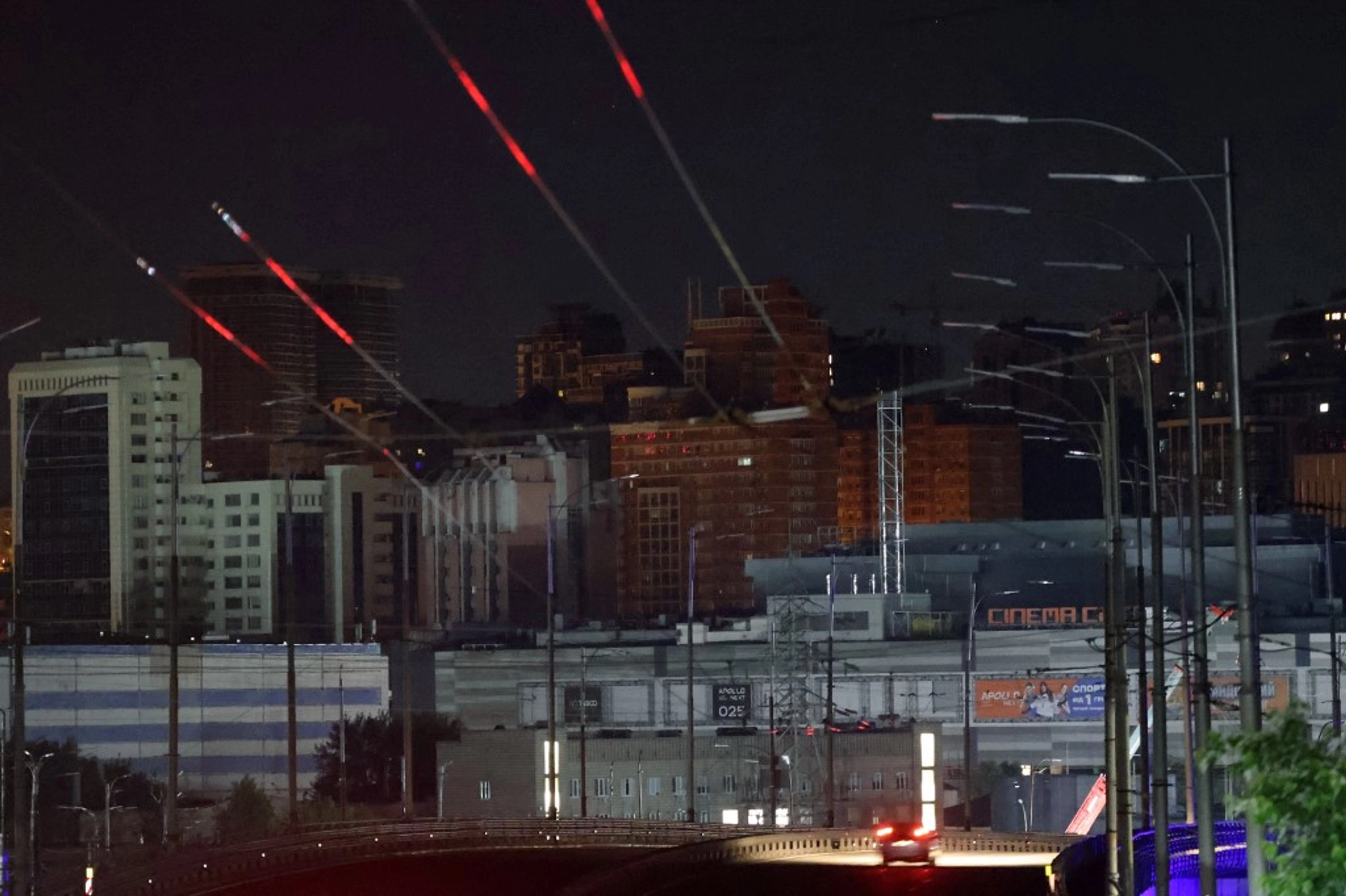
Ukraine’s state energy operator Ukrenergo said on Tuesday, Oct. 14, it was forced to impose emergency power cuts in eight regions following damage to the country’s energy infrastructure caused by recent Russian attacks.
“Due to the difficult situation in the energy system caused by previous Russian strikes – in the Sumy, Kharkiv, Poltava, and Dnipropetrovsk regions, as well as partially in Kirovohrad, Kyiv, and Cherkasy regions – emergency shutdowns have been implemented,” Ukrenergo said in a statement.
JOIN US ON TELEGRAM
Follow our coverage of the war on the @Kyivpost_official.
Later in the day, Ukraine’s largest private energy provider, DTEK, announced on Telegram that planned power outages in Kyiv had been cancelled.
Kyiv Post correspondents living in the city center, particularly in the Pechersk district, reported being without electricity for four to five hours in the evening. Other staff members based in the Solomianskyi and Shevchenkivskyi districts also experienced water supply disruptions from 7 p.m. up until midnight.
Russia has intensified strikes on Ukraine’s energy infrastructure and rail network as winter nears, sparking fears that millions could be left without electricity in freezing temperatures. Parts of Kyiv and other regions already experienced temporary blackouts last week.
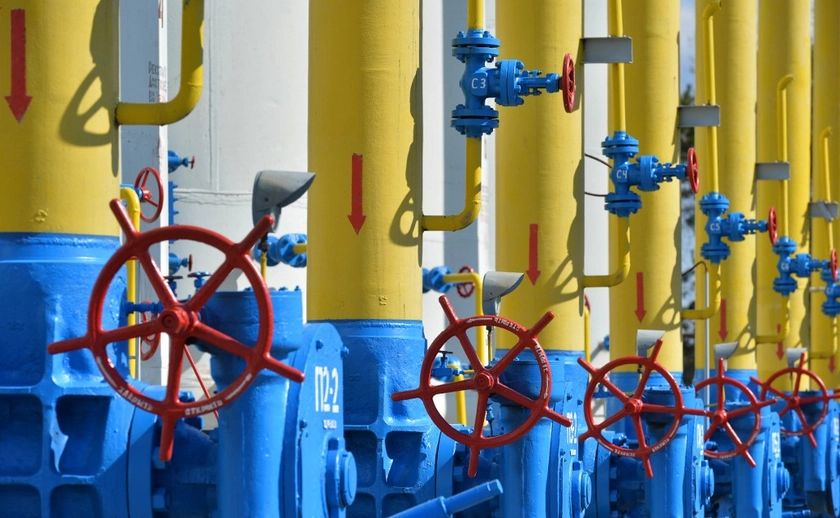
President Volodymyr Zelensky accused Moscow of attempting to “sow chaos” with these strikes, which have also damaged parts of Ukraine’s gas sector.

Where Poles and Ukrainians Stand Together
Ukraine, meanwhile, continues to target oil refineries and fuel infrastructure inside Russia with long-range drone attacks – a campaign that has contributed to rising fuel prices there since the summer.
According to the latest assessment, Ukrainian drone attacks have crippled nearly 40% of Russia’s oil refining capacity, triggering the country’s worst fuel shortage in decades.
As of Sept. 28, 38% of primary refining capacity – equal to 338,000 tons per day – was offline, with gasoline output falling by 1 million tons, leaving the domestic market short by roughly 20% of demand.
You can also highlight the text and press Ctrl + Enter