

On May 9, 2025, Ukraine’s Security Service (SBU) announced a concerning discovery: Hungary has been running an intelligence operation in Zakarpattia (often called Transcarpathia) in western Ukraine.
The SBU said Hungary hired two locals from Zakarpattia, specifically the Berehove region, to spy on military locations such as air defense, measure security capabilities, and assess the local population’s attitudes in the event of Hungarian “peacekeeping” forces arriving.
JOIN US ON TELEGRAM
Follow our coverage of the war on the @Kyivpost_official.
As a result, Hungary then expelled diplomats, claiming they were spies, and Ukraine has responded in kind.
Hungary has previously made statements about Zakarpattian Hungarian speakers and alleged that Kyiv oppresses them. There have often been anxieties or accusations that Hungary wants to take the territory or part of it, seen as political posturing rather than a real threat.
This operation indicates that there are, somewhere in Hungarian intelligence and political circles, serious considerations about ventures into the region. However, the operation is dangerous and built on delusions.
To understand why Hungary would spy on this region, you must understand issues regarding language policy and the history of Zakarpattia.
Zakarpattia: history and demographics
Zakarpattia is located in southwest Ukraine, the only region bordering four countries: Hungary, Slovakia, Poland and Romania. It is one of the most linguistically and culturally diverse regions of Ukraine. Ukrainians/Ruthenians, Hungarians, Poles, Slovaks, Jews, Roma, and other groups like Hutsuls, Lemkos, and more have inhabited the region for centuries.
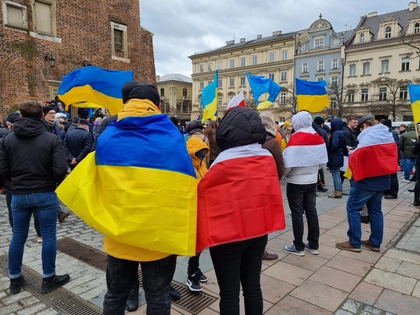
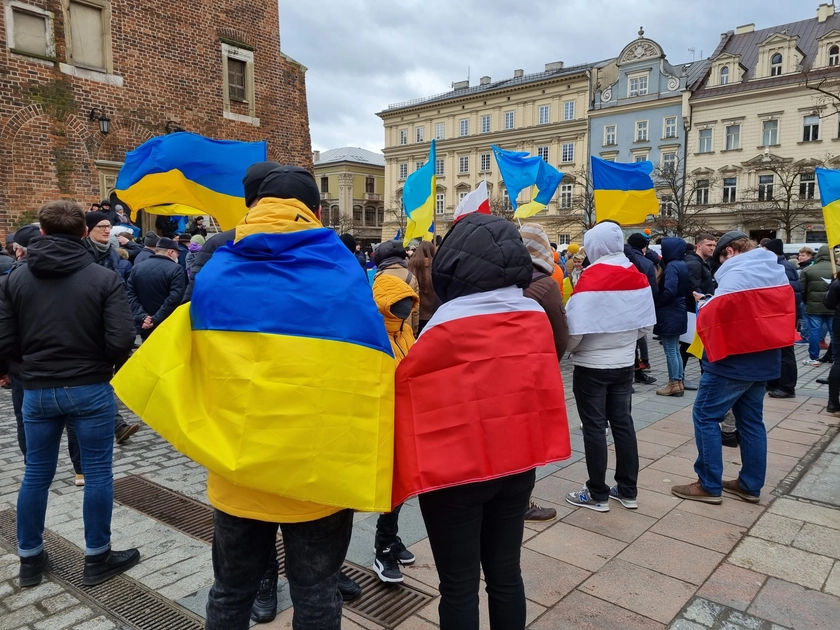
Where Poles and Ukrainians Stand Together

Zakarpattia was part of Austro-Hungary until the Treaty of Trianon, then Czechoslovakia, followed by a short-lived Carpatho-Ukraine Republic led by Ukrainians in 1939, and Hungary in 1939-45.
Afterwards, the USSR claimed it under the Ukrainian Soviet Republic. This led to demographic changes, with many Russians and Russian speakers resettling in the region. After the USSR’s collapse, despite some suggestions for a referendum, it remained Ukrainian territory under the ratified 1991 borders.
In recent surveys, 13% of Zakarpattia’s population is shown to be Hungarian/Hungarian speaking. Hungarian speakers are concentrated in particular “raions” – districts – such as Berehove, Mukachevo, and certain towns.
Hungary gave passports to Hungarian speakers in the region, yet they often have Ukrainian passports. Ukrainian, Hungarian, Russian, Romanian, Polish and Slovak languages coexist in many settlements.
Language laws of Ukraine
Ukraine has had different language policies. Ukrainian was declared the national language in 1989. In 1996, Ukraine’s Constitution stated that Ukrainian was the national language, but Russian and minority languages would still be protected.
Under former President Viktor Yuschenko’s government in the mid-2000s, there were more regulations regarding language to promote Ukrainian in film, in state services, and other areas.
In 2012, under the now-ousted President Viktor Yanukovych, there were moves to make Russian and the minority languages of Ukraine official, but nothing materialized.
After Euromaidan, there was more enthusiasm to promote the Ukrainian language to shift away from the “Russian world.”
It was in 2019, however, that former President Petro Poroshenko’s government implemented a controversial reinterpretation of the law, penalizing businesses that do not provide services in Ukrainian, strictly ensuring compliance regarding delivering secondary education in Ukrainian, and enacted further requirements on the media to promote Ukrainian language content.
Zakarpattian realities
In Zakarpattia, Ukrainian proficiency among Hungarian speakers was low, and one of the justifications for these stricter measures was for them to integrate better. But Hungary, Romania, Slovakia and some minority-speakers have claimed these laws are oppressive or unfair.
It is important to note that some secondary schools do use a bilingual approach in Zakarpattia, which is legal.
In Berehove, you can also see signs in both Hungarian and Ukrainian. The law was amended in 2024 to be more respectful of minority rights, an initiative led by Hungarian-Ukrainians.
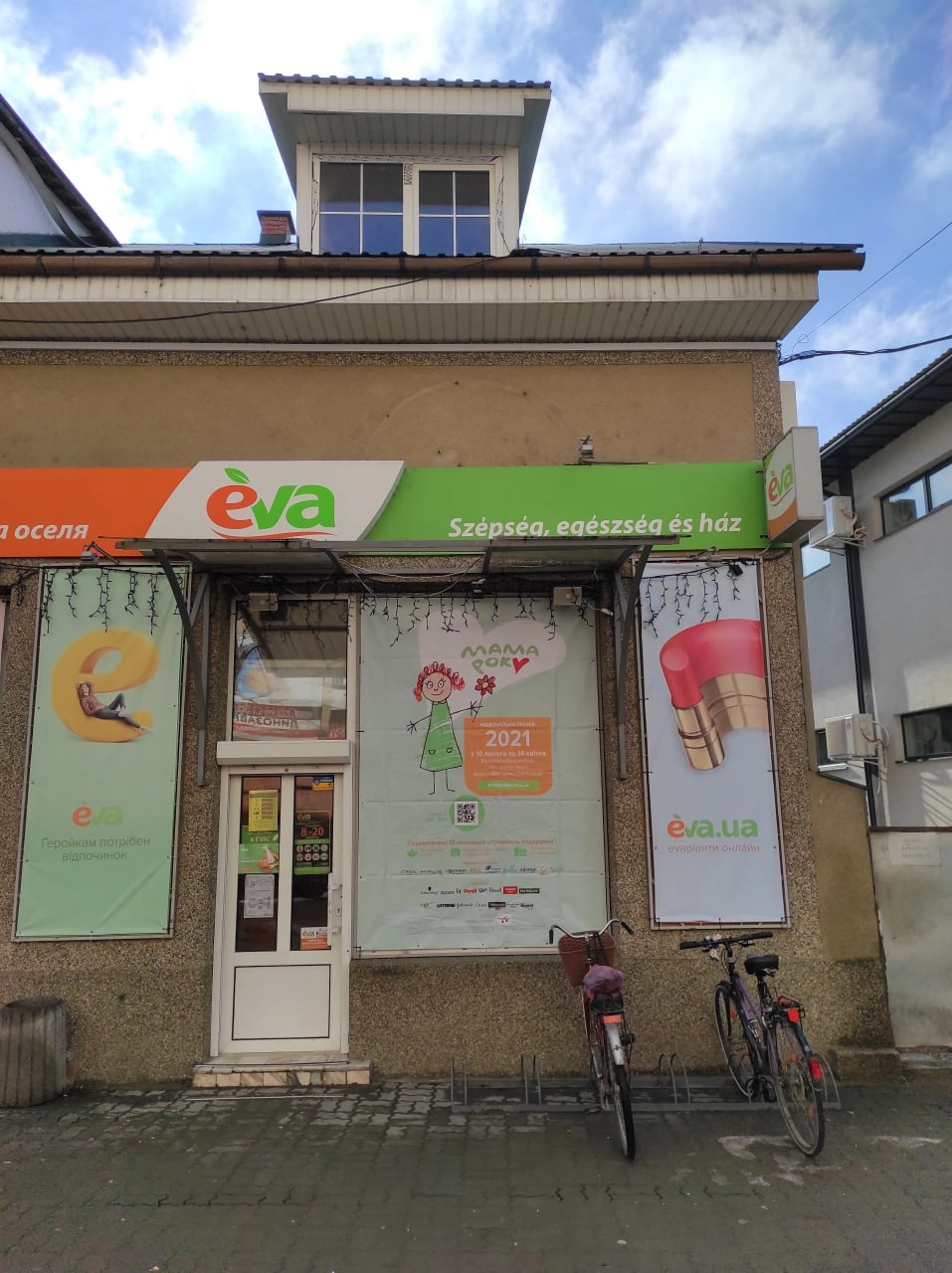
The assets and issues of Ukraine’s language laws aside, this linguistic policy’s requirements are regular talking points by Russian propagandists, Hungary and their supporters, who often exaggerate its impacts.
In Ukraine, it is never wise to conflate speakers with members of that nation. Many Ukrainians have fought and died who speak Russian, but they are not Russian.
The same is true for Hungarian speakers.
Many speak Hungarian alongside Ukrainian and/or other languages, and you can hear many languages being spoken across Zakarpattia.
Since Russia’s full-scale invasion, some who may have felt more Hungarian than Ukrainian have changed their perspective. More overt forms of Ukrainian identity and patriotism can be found, and many feel torn between identities.
Zakarpattians have fought in the war, been captured, died, and seen the effects of the war brought to them in the refugees, the returning bodies of neighbours and relatives.
These experiences, alongside insults against Ukraine from Hungarian Prime Minister Viktor Orban, have alienated Hungarian sympathies. Some Hungarian speakers also left the region after the full-scale invasion. Also, Hungarians, while a significant minority in certain areas, are not the entire region’s population, nor are they homogenous.
Historical claims to Ukrainian land do not work, as these are internationally recognized borders, with a historical presence of Ukrainians, and there is little to no appetite for these borders to be redrawn.
Neither do modern claims of oppression stand up, when Hungarian speakers can still speak freely in many day-to-day activities in towns like Berehove. If Orban believes the people of Zakarpattia will want to join Hungary, he is no less dangerously deluded than Putin was regarding Russian speakers.
The views expressed are the author’s and not necessarily those of Kyiv Post.
You can also highlight the text and press Ctrl + Enter